
Plein Air Painting – A Detailed History of Open Air Painting

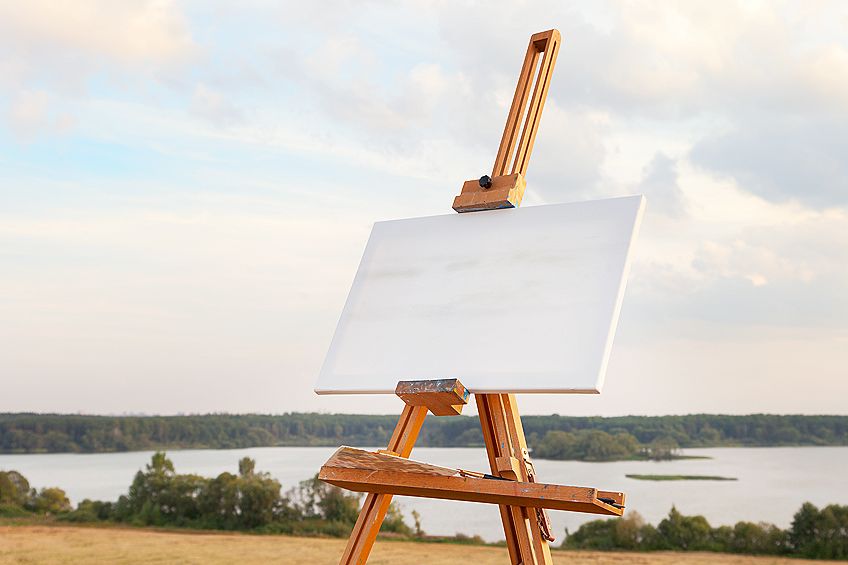
Plein air painting means working outdoors in direct response to a landscape, city, garden, or other subject. Artists had made outdoor studies for centuries, but portable materials and 19th-century ideas about close observation turned open-air oil painting into a major practice. This guide explains that history, the difference between a field study and a studio painting, the equipment needed, and a practical workflow for changing light and weather.
What Is Plein Air Painting?
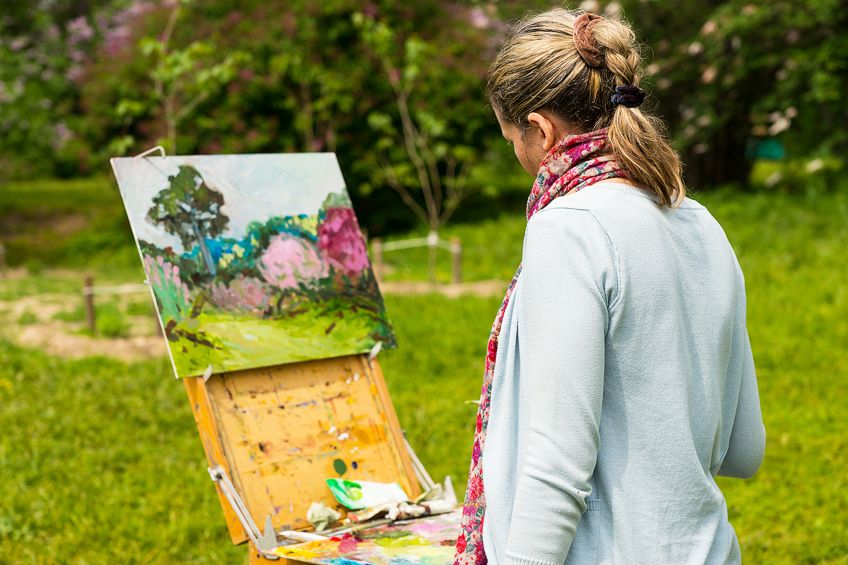
The French phrase en plein air means “in the open air.” In art, it describes drawing or painting outdoors before the subject rather than working only from memory, sketches, or photographs in a studio. The subject does not have to be a rural landscape: a street, harbor, garden, building, figure, or still life can all be painted outside.
Plein air is a working method, not a single style. An open-air painting can be precise or loose, realistic or abstract, and made in oil, watercolor, gouache, acrylic, pastel, ink, or another portable medium. The defining feature is sustained observation on location.
A plein air work records decisions made in the presence of the subject, while a studio work can use outdoor studies without being painted outdoors itself.
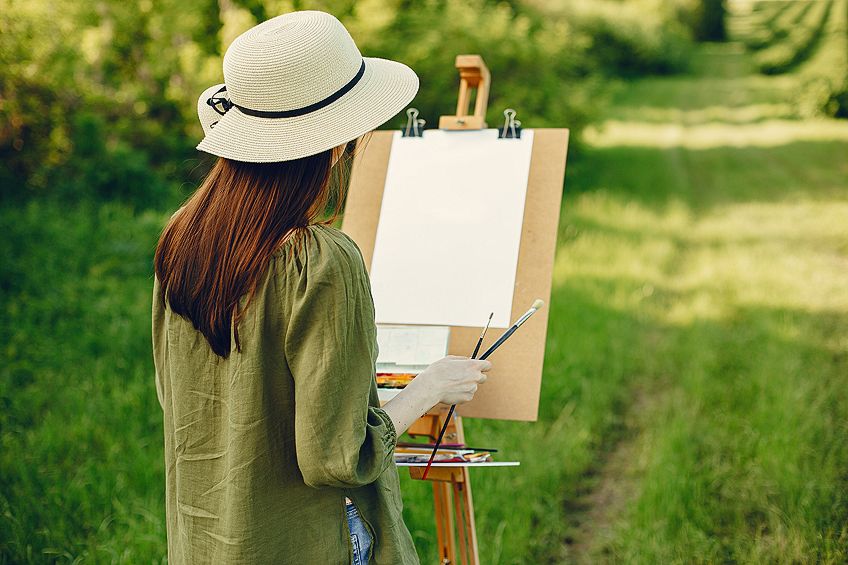
That distinction prevents a common mistake. Many famous landscapes were composed and finished in studios from open-air drawings or oil sketches. The finished painting may preserve direct observation without being a plein air painting in the strict sense.
A Brief History of Plein Air Painting
Outdoor Studies Before Impressionism
Artists worked outside long before the word “plein air” became common in English. Drawings, watercolors, and oil studies helped them record topography, clouds, vegetation, architecture, and changing light. Before the end of the 18th century, however, outdoor work was more often preparatory than a finished exhibition picture.
In the late 18th and early 19th centuries, artists increasingly treated oil studies made before nature as valuable records of specific conditions. Pierre-Henri de Valenciennes encouraged painters to make rapid outdoor studies, while painters traveling in Italy—including Camille Corot and artists from several European countries—used small prepared supports to analyze atmosphere and light. John Constable developed closely observed cloud and landscape studies in England.
Materials also changed. John Goffe Rand patented a collapsible metal paint tube in 1841. Tubes did not invent outdoor painting, but they made mixed oil color easier to store, transport, and reuse. Portable boxes, prepared canvas boards, commercially made pigments, and folding easels reduced the burden of fieldwork.
Barbizon and the French Impressionists
Painters associated with Barbizon, including Théodore Rousseau and Charles-François Daubigny, worked in and around the Forest of Fontainebleau. Their attention to weather, terrain, and rural labor helped establish outdoor study as a central part of modern landscape practice.
In the 1860s, Claude Monet, Pierre-Auguste Renoir, Alfred Sisley, and Frédéric Bazille met in Charles Gleyre’s studio and painted together outside Paris. The Impressionists did not invent plein air painting, but they embraced it with unusual intensity. Broken brushwork, high-keyed color, and attention to transient light could translate the pressure of working before a changing motif.
Plein air did not mean that every Impressionist canvas was completed in one sitting. Artists could revise a work later, combine observations from multiple sessions, or return to the same motif at similar times of day. Monet’s series paintings demonstrate both direct observation and deliberate studio organization.
Italy, Britain, and Northern Europe
In Tuscany, the Macchiaioli challenged academic finish from the 1850s through studies structured by patches of light and dark. Their chronology overlaps with, but is not derived from, French Impressionism. The practice also flourished among artists traveling in Italy, where portable oil studies had become important well before the first Impressionist exhibition of 1874.
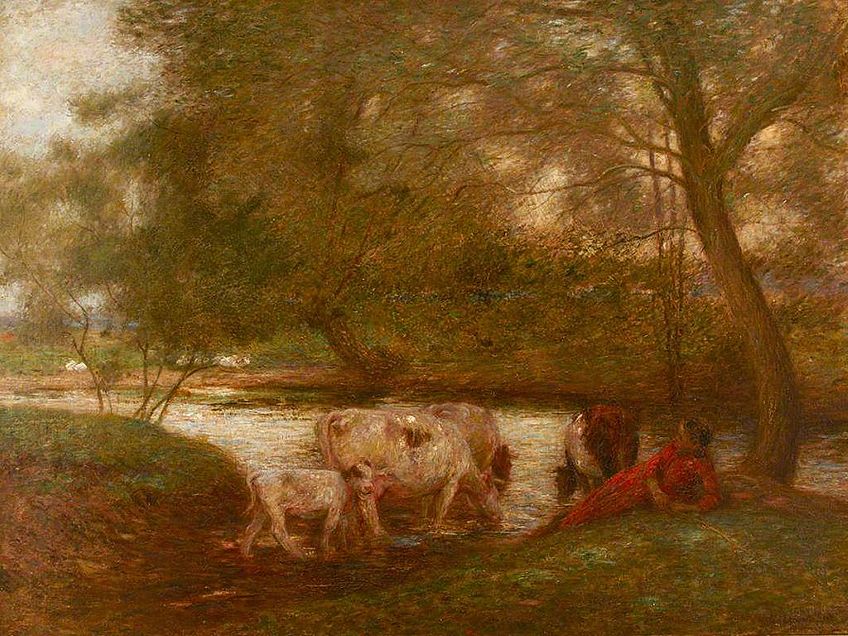
In Britain, Constable and J. M. W. Turner made close studies of weather and landscape, and later the Newlyn School worked outdoors in Cornwall. Edward Stott studied in Paris and became associated with rural naturalism in England. His painting The Watering Place is dated broadly between 1879 and 1918 in its collection record; that span should not be mistaken for the artist’s life dates.
Open-air painting also developed in Denmark and northern Germany, where artists responded to distinctive coastal and summer light. These practices belonged to local Romantic, Naturalist, and Realist histories as well as to an international culture of outdoor study.
Plein Air Painting in North America
North American painters used outdoor sketches before Impressionism, including artists associated with the Hudson River School. Later, American artists studied in France and adapted Impressionist methods to local settings. William Merritt Chase taught outdoor classes at Shinnecock on Long Island, while artist colonies developed in coastal New England, California, and other regions.
The spread of plein air painting was not a simple one-way transfer from France. Travel, exhibitions, schools, railroads, tourism, portable supplies, and local landscape traditions all shaped the practice. American artists used it for parks, coasts, cities, mountains, deserts, and industrial sites as well as pastoral scenery.
How to Paint En Plein Air
Outdoor painting rewards preparation. The goal is not to carry an entire studio but to make a small, stable setup that can be deployed quickly and packed safely. Changing light is a creative constraint: the artist has to select, simplify, and commit.
Essential Plein Air Equipment
A useful basic kit includes a portable easel or pochade box, a small support, a limited palette, a few brushes or drawing tools, medium-specific supplies, water, sun and weather protection, and a safe way to transport wet work. A viewfinder and sketchbook help with composition, while clips or weights stabilize lightweight materials.
| Kit Element | Oil or Acrylic | Watercolor or Gouache | Pastel or Drawing |
|---|---|---|---|
| Support | Small primed panel or canvas board | Block or taped heavyweight paper | Board with suitable paper and clips |
| Color setup | Limited tubes and mixing palette | Compact pan or palette | Selected sticks, pencils, or charcoal |
| Critical extra | Wet-panel carrier and solvent-safe container if needed | Water, absorbent cloth, and protected drying space | Glassine sheets and secure storage |
| Weather control | Hat, layered clothing, sunscreen, drinking water, ground-safe weights, and a plan for wind or rain | ||
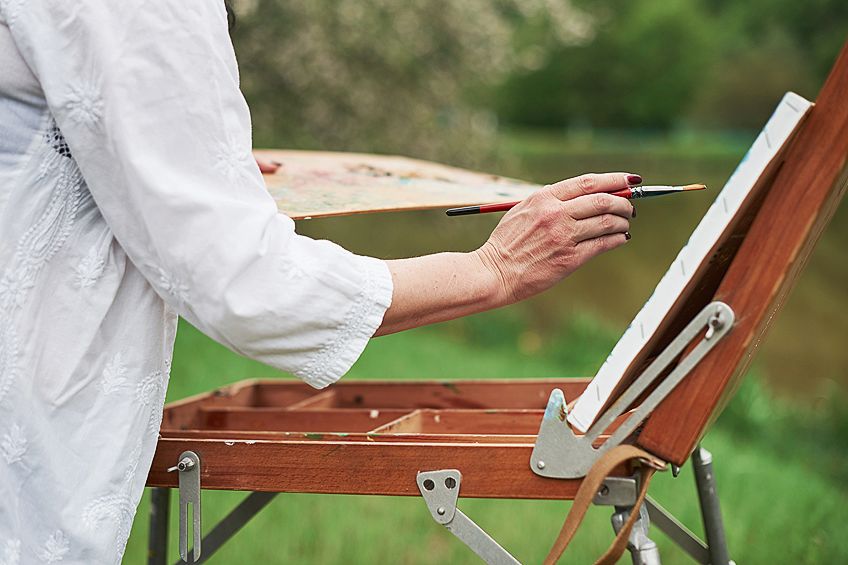
A French box easel combines storage, palette, support, and folding legs. A pochade box is usually smaller and may attach to a tripod or rest on the lap. Neither is mandatory. A sketchbook, watercolor set, or compact pastel box may be the best first setup because it lowers cost and transport weight.
A Practical Field Workflow
Begin with a modest subject and a small support. A focused session is more useful than attempting a panoramic masterpiece before the light changes.
- Choose a safe position. Avoid traffic, unstable ground, private property without permission, and environmentally sensitive areas.
- Define the light effect. Note the direction of light, dominant value pattern, and one reason the scene interests you.
- Set the boundaries. Use a viewfinder or thumbnail sketch to crop the scene and place the largest shapes.
- Establish values first. Separate light, middle, and dark masses before chasing small color changes.
- Mix a limited range. Identify the lightest light, darkest dark, dominant temperature, and a few key color families.
- Work large to small. Block the main relationships, then add only details that support the focal structure.
- Hold the light state. If shadows move, preserve the original pattern instead of repainting every change.
- Stop and record. Note the time, weather, palette, and possible studio changes before packing the work safely.
For a first attempt, aim for 30 to 90 minutes. A short value study can teach more about the light than an overworked canvas. Photographs are useful as secondary records, but their automatic exposure and color processing do not replace direct comparison.
Common Challenges and Solutions
Wind can overturn an easel, glare can distort value judgments, and temperature can change the behavior of paint. Keep the setup low and weighted, place the support in consistent shade when possible, and avoid attaching a large umbrella to a light easel in strong wind. In oil painting, use closed containers and follow local rules for solvents and disposal. In dry conditions, protect water supplies; in cold conditions, expect longer drying and reduced dexterity.
The hardest challenge is usually selection. Moving clouds, people, tides, and shadows provide more information than one painting can hold. Decide what the work is about, then edit everything else in service of that purpose.
Famous Plein Air Painters and Works
Plein air painting is often associated with Impressionism, but its history includes artists who used outdoor studies in different ways. The examples below show why the method of making a work matters as much as its appearance.
John Constable (1776–1837)
John Constable made oil sketches and cloud studies directly from nature, often recording specific weather. These works helped him understand light and atmosphere, but his large exhibition landscapes were usually built in the studio from accumulated observation.
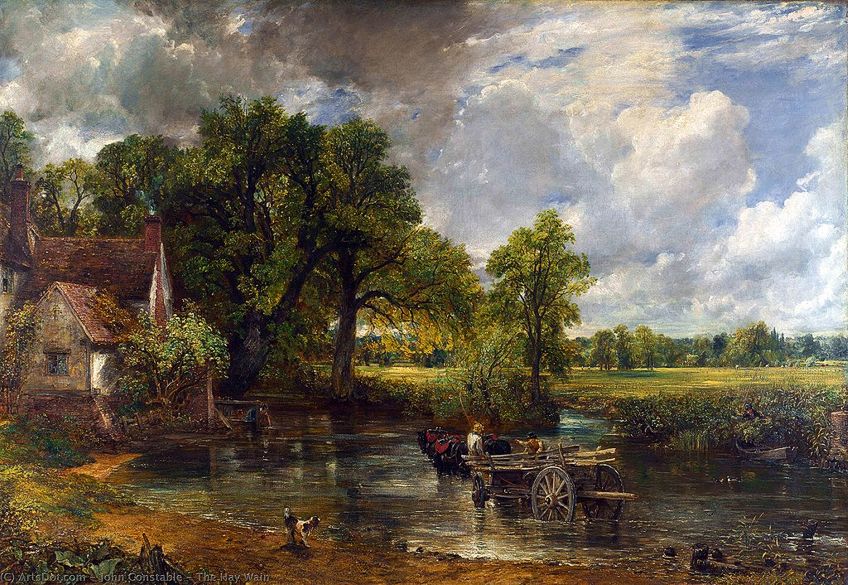
The Hay Wain is the clearest example of that distinction. The National Gallery dates it to 1821 and explains that Constable painted the final canvas in his London studio using open-air sketches made over several years and a full-size preparatory study. It is a studio synthesis grounded in fieldwork, not a six-foot canvas completed outdoors.
Claude Monet (1840–1926)
Claude Monet learned outdoor landscape practice as a teenager from Eugène Boudin. He later worked with Renoir, Sisley, and Bazille and made the changing conditions of modern life and landscape central to Impressionist painting.
Monet’s series of grainstacks, poplars, Rouen Cathedral, and the Thames examine how one motif changes across times and weather. His Water Lilies works are more complex than spontaneous field sketches: he observed and shaped the garden at Giverny, painted its pond repeatedly, and developed some late canvases over extended periods. The 1906 example below belongs to the Art Institute of Chicago and is designated CC0 by the museum.

Pierre-Auguste Renoir (1841–1919)
Pierre-Auguste Renoir painted with Monet at La Grenouillère in 1869, where both artists explored reflections, figures, and rapid changes in light. Renoir used outdoor work for landscapes and scenes of modern leisure, though his career cannot be reduced to plein air practice.
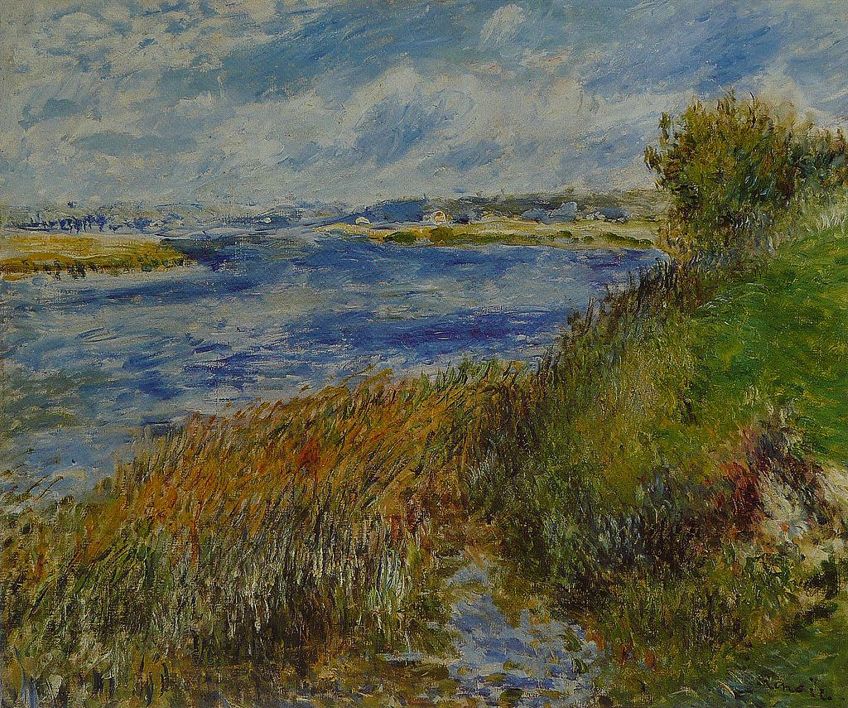
The Musée d’Orsay identifies La Seine à Champrosay, also called Banks of the Seine at Champrosay, as an oil on canvas painted in 1876. Its simplified depth, varied greens, and visible strokes make atmosphere a structural part of the landscape.
Recommended Reading on Plein Air Painting
These three books focus on historical open-air practice rather than short project instruction. The affiliate shortcodes are retained from the original article.
The Work of Art: Plein Air Painting and Artistic Identity in Nineteenth-Century France
Anthea Callen studies materials, labor, gender, self-presentation, and the social identity of the outdoor painter in 19th-century France. It is especially useful for readers who want to understand plein air as a material and cultural practice rather than only a style of brushwork.

- An analysis of prominent 19-century French Impressionist painters
- The influence of "plein air" painting in the Impressionist revolution
- Examining the self-representation and painting methods of artists
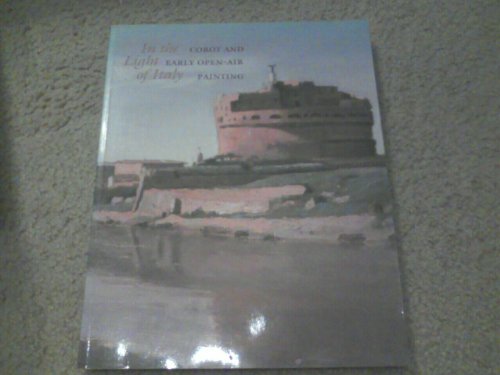
In the Light of Italy: Corot and Early Open-Air Painting
This exhibition publication examines the importance of Italy to early open-air oil painting and places Corot within a broader international network. It helps correct the idea that finished outdoor painting began suddenly with Impressionism.
- Prominent art historians discuss the background of outdoor painting
- Early history, theory and practice, and sites of open-air painting
- A rich selection of relevant paintings is discussed and reproduced
Baltic Light: Early Open-Air Painting in Denmark and North Germany
This volume extends the history into Denmark and northern Germany, emphasizing regional light, travel, and artistic exchange. It is a useful counterweight to histories centered only on France and Italy.

- A focus on the painters and paintings of the "plein air" period
- Presentation of topographical landscapes, panoramas, and more
- Includes essays by eminent authorities to discuss this movement
Contemporary Plein Air Practice
Plein air painting remains active in individual practice, workshops, festivals, urban sketching groups, artist residencies, and hybrid studio methods. Some artists finish works outdoors; others treat field studies as visual notes for slower studio paintings. The method can serve representation, abstraction, ecological observation, memory, or color research.
Brian Shields
Brian Shields works from a long engagement with nature and the landscapes of northern New Mexico. His account of gathering sensory and visual information outdoors, then condensing it in the studio, demonstrates that plein air practice can be a research stage rather than a requirement to finish every picture on site.
David Grossmann
Colorado artist David Grossmann describes his landscapes as a meeting point between nature, perception, contemplation, and memory. His practice shows how direct experience of place can feed carefully layered studio paintings without producing literal topographical records.
Frances B. Ashforth
Frances B. Ashforth uses drawing, painting, and printmaking to explore water, stone, horizon lines, and land. Field drawings may stand alone or become the basis of studio work, illustrating the continuum between immediate observation and later development.
Jane Shoenfeld
Jane Shoenfeld works with pastel, abstraction, poetry, memory, and the New Mexico landscape. Her plein air practice emphasizes focused contact with nature and the energy of place rather than a literal transcription of every visible detail.
Together, these artists demonstrate that contemporary plein air practice is not limited to Impressionist imitation. Direct observation can lead to a finished field painting, an abstract response, a drawing, or source material for a later work.
Frequently Asked Questions
What Does Plein Air Painting Mean?
Plein air painting means drawing or painting outdoors in direct response to a subject. The phrase comes from the French en plein air, meaning “in the open air.” It describes a method of working rather than one style or medium.
What Equipment Do You Need for Plein Air Painting?
A basic kit needs a portable support, a small set of colors or drawing tools, a secure work surface, medium-specific supplies, weather protection, drinking water, and safe transport for finished work. A pochade box or field easel is useful but not required.
Did the Impressionists Invent Plein Air Painting?
No. Artists made outdoor drawings and oil studies before Impressionism, and open-air oil painting grew during the late 18th and early 19th centuries. The Impressionists adopted the practice enthusiastically and made changing light central to many works.
Is Every Landscape Painting a Plein Air Painting?
No. A landscape is defined by its subject, while plein air describes where and how the artist worked. A landscape can be composed entirely in a studio, and a plein air work can depict a street, building, garden, figure, or still life rather than a rural view.

Isabella studied at the University of Cape Town in South Africa and graduated with a Bachelor of Arts majoring in English Literature & Language and Psychology. Throughout her undergraduate years, she took Art History as an additional subject and absolutely loved it. Building on from her art history knowledge that began in high school, art has always been a particular area of fascination for her. From learning about artworks previously unknown to her, or sharpening her existing understanding of specific works, the ability to continue learning within this interesting sphere excites her greatly.
Her focal points of interest in art history encompass profiling specific artists and art movements, as it is these areas where she is able to really dig deep into the rich narrative of the art world. Additionally, she particularly enjoys exploring the different artistic styles of the 20th century, as well as the important impact that female artists have had on the development of art history.
Learn more about Isabella Meyer and the Art in Context Team.
Cite this Article
Isabella, Meyer, “Plein Air Painting – A Detailed History of Open Air Painting.” Art in Context. February 25, 2021. URL: https://artincontext.org/plein-air-painting/
Meyer, I. (2021, 25 February). Plein Air Painting – A Detailed History of Open Air Painting. Art in Context. https://artincontext.org/plein-air-painting/
Meyer, Isabella. “Plein Air Painting – A Detailed History of Open Air Painting.” Art in Context, February 25, 2021. https://artincontext.org/plein-air-painting/.