


Honduran Artists – Most Important Painters to Know

Artists from Honduras contribute a unique and diverse perspective to the world of visual arts and music, drawing on deep-rooted cultural traditions as well as modern influences. Honduran artists such as Jose Antonio Velasquez, Key-Key, Tomas Ocampo, and Isabella Lovestory have made significant marks in genres ranging from painting to contemporary Latin music. The creative scene in Honduras spans from traditional depictions of daily life to innovative fusions that reflect global trends. Readers who are curious about fresh voices and established names in Central American art will find that exploring the works of these artists unveils rich stories and distinctive styles. Honduras continues to nurture talent that resonates both at home and abroad.
The Landscape of Honduran Art
Honduran art reflects centuries of distinct cultural layers, from ancient roots to vibrant contemporary practices. Its artists are known for visually expressing heritage and transitions within Central America and Latin America.
Historical Development of Art in Honduras
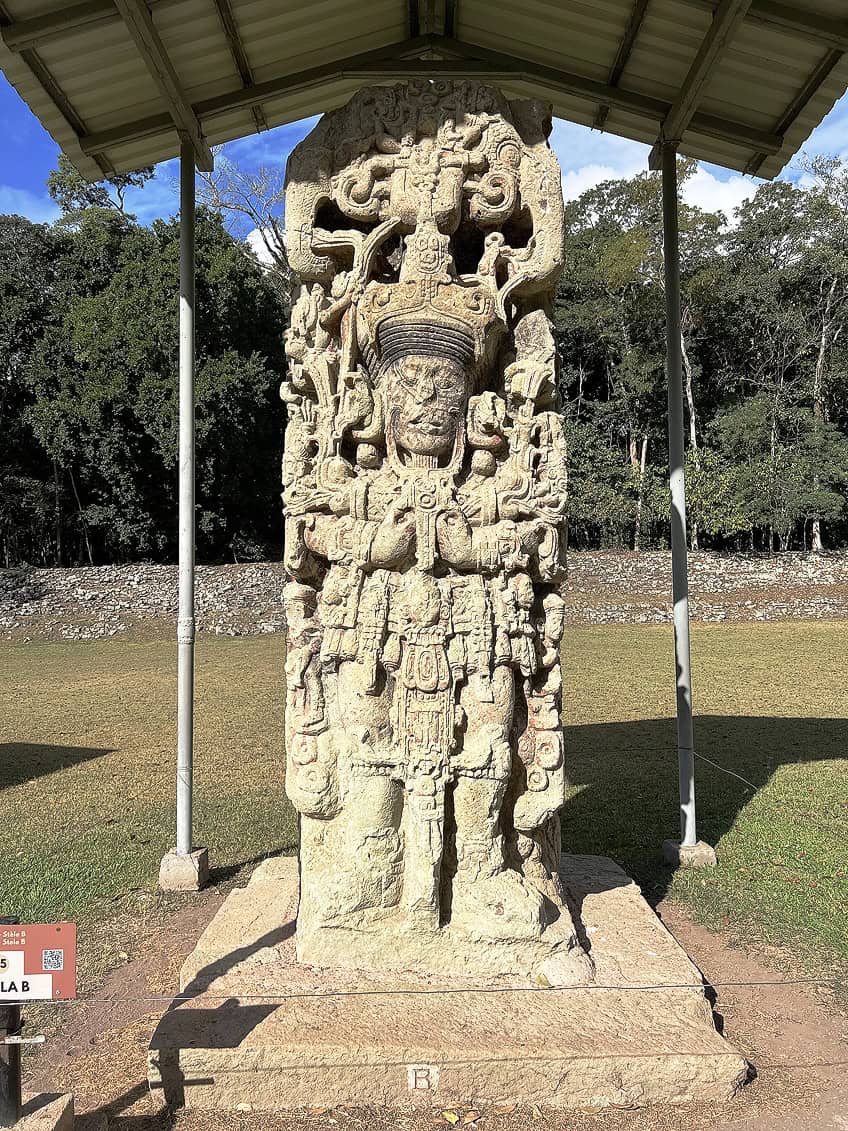
Art in Honduras began with the Maya civilization, whose pottery, murals, and stone sculptures reveal advanced techniques and unique styles. Copán, one of the most important Maya sites, contains intricate stelae and reliefs, which stand as part of Honduras’s rich cultural patrimony.
During the colonial period, religious art became more prominent. Churches were decorated with painted altars, wood carvings, and iconography. Artistic traditions were influenced by Spanish styles but incorporated local motifs and materials.
In the 20th century, the founding of art schools and collectives helped formalize training for painters, sculptors, and artisans. Artists such as Arturo López Rodezno promoted Honduran identity in their work. Many of these paintings and crafts are now preserved in museums and galleries throughout the country.
Contemporary Art Movements
Contemporary Honduran art blends local traditions with global artistic trends. Artists experiment with a wide range of media, including painting, sculpture, installation, and digital art. Urban centers like Tegucigalpa host galleries and cultural spaces that support emerging voices.
Figures such as Laelanie Larach and Jurell Cayetano represent new directions, combining Honduran themes with personal experiences and modern techniques. Their styles range from post-impressionist portraiture to abstract compositions, reflecting the diversity of the creative vanguard.

Events, residencies, and festivals have encouraged collaboration between Honduran artists and peers across Latin America. Public art initiatives have also brought more visibility to contemporary visual art, making it accessible to broader audiences.
Institutions continue to preserve and promote both traditional and modern forms, ensuring that the country’s artistic landscape remains dynamic and relevant.
The Most Famous Honduran Painters
Honduran painting has developed through deeply personal styles and strong local influences. The country’s most notable painters shaped visual culture by portraying Honduran identity, everyday life, and regional landscapes in a range of unique styles.
José Antonio Velásquez (1906–1983)
José Antonio Velásquez is considered a founder of Honduran primitivist art. Born in Caridad, he was self-taught, starting first as a barber and telegrapher before becoming a full-time painter.

Velásquez’s work often depicts street scenes, markets, and rural life across Honduras. His style is known for its vibrancy, directness, and the depiction of busy towns and countryside using clear, bright colors. He is credited with documenting aspects of Honduran daily life that were not often captured before in formal painting.
His pieces have been exhibited widely in Latin America, the United States, and Europe, earning international recognition. Velásquez received several accolades in his lifetime, and his paintings are now part of permanent collections in major museums.
| Fact | Detail |
|---|---|
| Birthplace | Caridad, Honduras |
| Art Style | Primitivist, Naïve |
| Notable Themes | Rural life, markets, towns |
| Awards | National and international |
| Major Exhibitions | USA, Latin America, Europe |
Pablo Zelaya Sierra (1896–1933)
Pablo Zelaya Sierra was instrumental in introducing modernism to Honduran art. After studying in Europe, he brought contemporary artistic concepts back to Honduras, combining them with local themes.
His technique was refined, displaying influences from both academic painting and avant-garde movements. Zelaya Sierra’s works often featured portraits, landscapes, and scenes from daily Honduran life.

Although he died young, his career was marked by innovation and a drive to develop a national artistic style. Art historians consider him a pioneer of modern painting in Honduras.
| Fact | Detail |
|---|---|
| Birthplace | Tegucigalpa, Honduras |
| Art Style | Modernism, Academic |
| Subjects | Portraits, landscapes |
| Awards | Noted for artistic impact |
| Key Cities | Tegucigalpa, Europe |
Carlos Zúñiga Figueroa (1885–1964)
Carlos Zúñiga Figueroa played a vital role in documenting Honduran culture through both painting and drawing. His work spans portraits, historical scenes, and social commentary.
He combined artistic skill with a journalistic eye, creating a visual record of Honduran events and traditions. Zúñiga Figueroa’s drawings and paintings are valued for their historical accuracy and narrative depth.
He exhibited widely in Honduras, with several retrospectives celebrating his contributions. His artistic legacy remains influential, particularly in San Pedro Sula and surrounding areas.
| Fact | Detail |
|---|---|
| Birthplace | Honduras |
| Mediums | Painting, drawing |
| Themes | History, culture, portraits |
| Exhibition Cities | San Pedro Sula |
| Impact | Cultural documentation |
Teresita Fortín (1885–1982)
Teresita Fortín is respected for her role in advancing fine art education in Honduras. She was one of the first prominent female painters in the country, pioneering new possibilities for women artists.
Her style balanced academic realism with expressive touches. Fortín painted portraits, still lifes, and religious scenes, often capturing the subtleties of her subjects with sensitivity.
She taught for many years and mentored several Honduran painters who went on to establish their own reputations. Her legacy extends beyond her own art to her influence on subsequent generations in cities such as La Ceiba and San Pedro Sula.
| Fact | Detail |
|---|---|
| Birthplace | Honduras |
| Artistic Focus | Portraits, education |
| Mediums | Painting |
| Influence | Mentorship, art education |
| Known For | Still lifes, realism |
Pedro Joaquin Mendoza Caballero (b. 1966)
Pedro Joaquin Mendoza Caballero is a prominent contemporary painter who bridges traditional Honduran themes with modern techniques. He is known for his large-format canvases and use of vivid color.
His art often explores social and environmental issues. Mendoza Caballero depicts urban and rural life, sometimes including motifs from Honduran folklore and natural landscapes.
He has held numerous solo and group exhibitions in major Honduran cities such as Tegucigalpa, San Pedro Sula, and abroad. Awards recognize his impact on promoting Honduran visual arts internationally.
| Fact | Detail |
|---|---|
| Birthplace | Honduras |
| Style | Contemporary, colorful |
| Themes | Society, environment, folklore |
| Exhibitions | National and international |
| Awards | Multiple, local/international |
Julio Visquerra
Julio Visquerra is an established modern painter known for highly textured works and an experimental approach. His compositions frequently highlight everyday life, dreams, and elements of magical realism.
Visquerra’s paintings are characterized by bold colors and inventive forms, setting him apart within the Honduran art scene. He is a regular participant in art exhibitions throughout Honduras and Central America.
He remains active, producing collections that are regularly showcased in galleries in San Pedro Sula and abroad. Scholars and collectors value his work for its originality and emotional depth.
| Fact | Detail |
|---|---|
| Known For | Modern, textured paintings |
| Main Themes | Daily life, surrealism |
| Key Exhibition Cities | San Pedro Sula, abroad |
| Artistic Surface | Canvas, mixed media |
| Influence | Contemporary innovation |
Roque Zelaya
Roque Zelaya has contributed to the preservation of Honduran heritage through both his painting and community involvement. Focusing on folk traditions and historical motifs, his art captures distinctive national icons and customs.
He often employs a realistic style, relying on detailed drawing and painting techniques. Zelaya’s art is a fixture at cultural festivals and local art exhibitions across Honduras.
His role as a cultural advocate keeps him connected with the artistic community. Works by Zelaya are included in various private and public collections, reflecting his ongoing influence.
| Fact | Detail |
|---|---|
| Primary Medium | Painting, drawing |
| Art Style | Realist, folk themes |
| Main Exhibitions | National festivals |
| Focus | Honduran heritage |
| Community Role | Cultural advocacy |

Dario A. Rivera Trejo
Dario A. Rivera Trejo’s art is marked by versatility and technical mastery. He explores a range of subjects from Honduran landscapes to contemporary social themes, often mixing traditional methods with modern visuals.
Rivera Trejo’s works are featured in several group exhibitions, notably in Tegucigalpa, La Ceiba, and San Pedro Sula. His commitment to experimentation has made him a central figure in teaching and promoting visual arts.
He has also received several awards for both painting and drawing, highlighting his multifaceted contributions to Honduran cultural life.
| Fact | Detail |
|---|---|
| Main Mediums | Painting, drawing |
| Subjects | Landscapes, social themes |
| Exhibitions | La Ceiba, San Pedro Sula |
| Role | Educator, innovator |
| Awards | Numerous, artistic excellence |
Carlos Garay
Carlos Garay is recognized for his vivid interpretations of Honduran culture through painting and mural art. His work often features large-scale compositions brimming with symbolic detail.

Garay’s use of color and form reflects a synthesis of native and modern artistic influences. He regularly participates in national art exhibitions and has produced several public murals in prominent Honduran cities.
His art has garnered appreciation from critics, with special attention to how Garay reflects Honduran identity in a contemporary context.
| Fact | Detail |
|---|---|
| Artistic Focus | Painting, murals |
| Style | Symbolic, vibrant |
| Major Works | Public murals, paintings |
| Exhibition Cities | Tegucigalpa, San Pedro Sula |
| Recognition | Critical and popular acclaim |
Maria Ofelia Garcia Casanova
Maria Ofelia Garcia Casanova is admired for her refined painting and attention to detail. Her art covers a variety of themes, including portraiture, everyday scenes, and symbolic representations of Honduran life.
She has participated in numerous exhibitions, gaining respect from peers and art audiences. Garcia Casanova’s strength lies in her ability to express intimate stories from daily life through delicate brushwork and color.
Her contributions help sustain artistic traditions in Honduras, particularly among younger female artists. She has been invited to show her work in major galleries across cities such as La Ceiba and San Pedro Sula.
| Fact | Detail |
|---|---|
| Specialization | Painting, portraiture |
| Themes | Everyday scenes, symbolism |
| Exhibitions | La Ceiba, San Pedro Sula |
| Influence | Women’s participation in art |
| Technique | Detailed, expressive |
Frequently Asked Questions
Who are some notable Honduran painters and their contributions to the art world?
Arturo López Rodezno is recognized for his modernist approach and is often highlighted as a pioneer in Honduran painting. He introduced new forms and challenged traditional techniques, which impacted future generations.
How have Honduran artists influenced the cultural landscape of Central America?
Honduran artists have helped bring attention to Central American heritage by incorporating indigenous motifs, local history, and social commentary into their artworks. Through exhibitions and collaborations, their influence has extended to neighboring countries.

Isabella studied at the University of Cape Town in South Africa and graduated with a Bachelor of Arts majoring in English Literature & Language and Psychology. Throughout her undergraduate years, she took Art History as an additional subject and absolutely loved it. Building on from her art history knowledge that began in high school, art has always been a particular area of fascination for her. From learning about artworks previously unknown to her, or sharpening her existing understanding of specific works, the ability to continue learning within this interesting sphere excites her greatly.
Her focal points of interest in art history encompass profiling specific artists and art movements, as it is these areas where she is able to really dig deep into the rich narrative of the art world. Additionally, she particularly enjoys exploring the different artistic styles of the 20th century, as well as the important impact that female artists have had on the development of art history.
Learn more about Isabella Meyer and the Art in Context Team.
Cite this Article
Isabella, Meyer, “Honduran Artists – Most Important Painters to Know.” Art in Context. November 30, 2025. URL: https://artincontext.org/honduran-artists/
Meyer, I. (2025, 30 November). Honduran Artists – Most Important Painters to Know. Art in Context. https://artincontext.org/honduran-artists/
Meyer, Isabella. “Honduran Artists – Most Important Painters to Know.” Art in Context, November 30, 2025. https://artincontext.org/honduran-artists/.


