

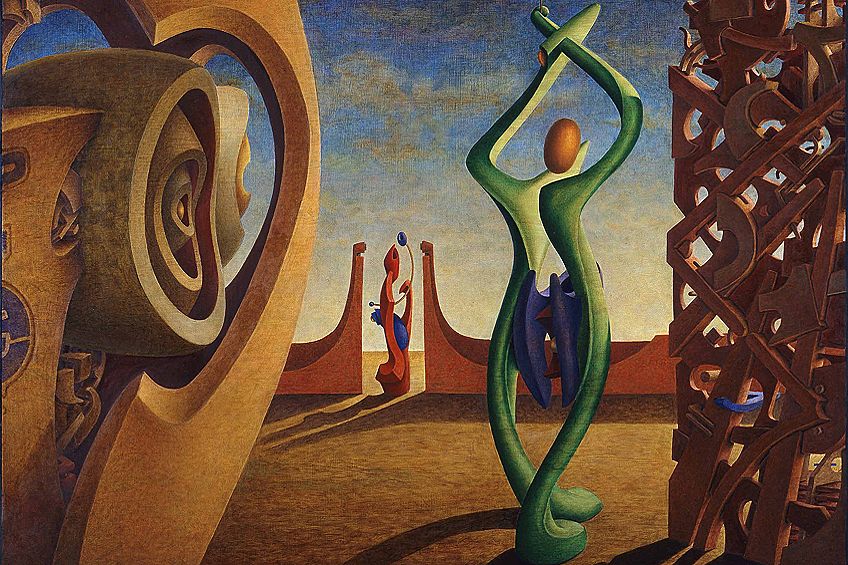
Surrealism Art – A Deep Dive Into the Surrealism Art Movement

Surrealism was an international cultural movement that sought to release thought and imagination from rational control. Formally consolidated in Paris with André Breton’s 1924 Manifesto of Surrealism, it grew from experiments in poetry and automatic writing into painting, photography, sculpture, film, and political activity. Dream imagery is one familiar result, but Surrealism is better understood through its methods, its pursuit of the marvelous, and its effort to bring conscious and unconscious experience together.
What Is Surrealism?
Surrealism is an avant-garde movement that emerged from literary experimentation in the late 1910s and early 1920s and took organized form in 1924. André Breton’s first manifesto defined it through “psychic automatism”: expression intended to operate with as little rational, aesthetic, or moral control as possible. Surrealism was therefore not a single visual style. It was a changing set of poetic, artistic, and political practices for disrupting ordinary perception and exploring desire, chance, dreams, memory, and the unconscious.
The movement developed partly from Dada’s revolt against conventional culture after World War One, but it pursued a more systematic investigation of mental life. Psychoanalysis, especially Sigmund Freud’s writing about dreams and free association, supplied important concepts without turning Surrealist art into a direct illustration of psychoanalytic theory.
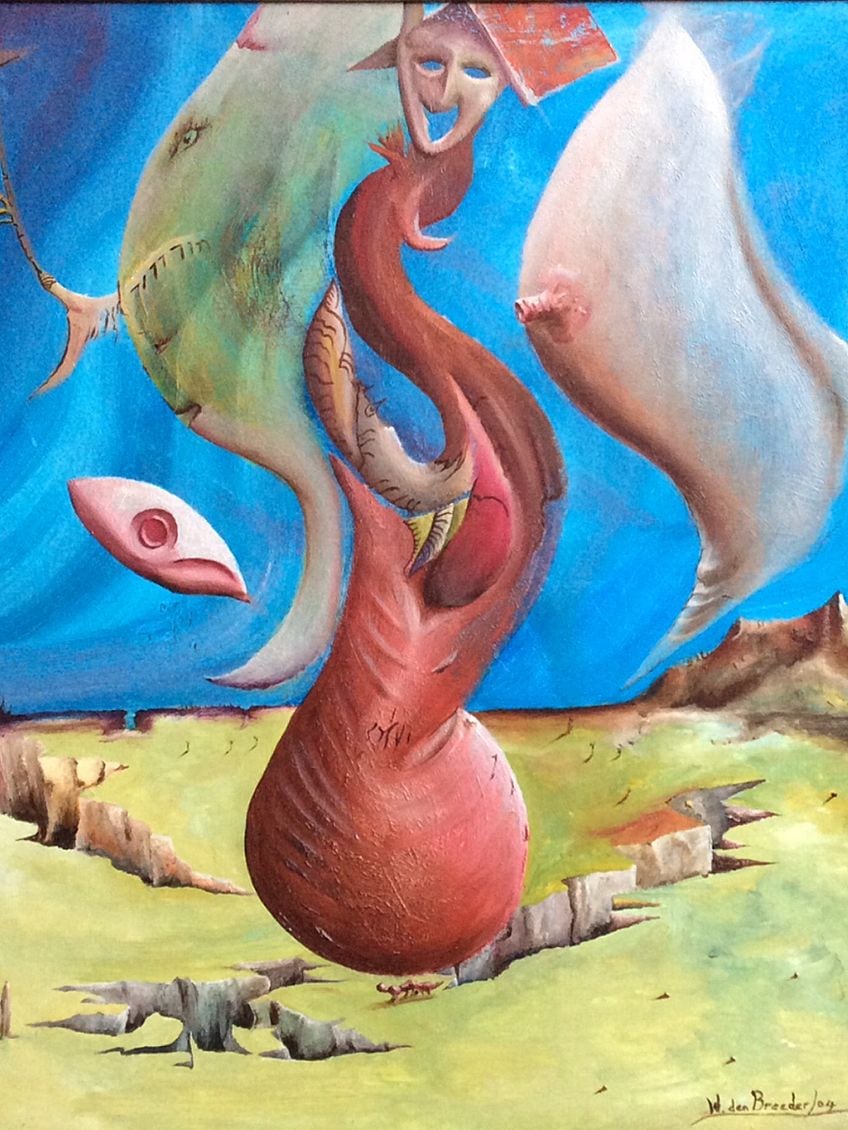
Surrealist art can look meticulously realistic, biomorphic, abstract, photographic, sculptural, or cinematic. Surrealist artists used incompatible objects, unexpected transformations, automatic marks, found materials, and disjointed narratives to unsettle familiar categories.
A dreamlike scene is not automatically Surrealist. Historical context, the artist’s relationship to the movement, and the method used to generate the work are stronger evidence than strangeness alone.
The Marvelous, Chance, and Everyday Reality
Surrealism did not ask artists to escape reality so much as to disturb the habits that make reality seem settled. Breton and his circle valued the marvelous: moments when an ordinary street, phrase, object, encounter, or coincidence suddenly seemed charged with another possibility. This is why shop windows, flea-market objects, found photographs, games, and accidental meetings could matter as much as dreams.
Chance also had a more specific role than simple randomness. Surrealists used automatic writing, collaborative games, found objects, and accidental textures to create situations that conscious planning would be unlikely to produce. The artist then had to notice what the accident made possible. In practice, Surrealist work often moves between surrender and control rather than eliminating intention altogether.
That tension gives the movement one of its most useful distinctions. Dalí could paint an impossible scene with painstaking precision, while André Masson could begin from automatic lines and Max Ernst could generate imagery from rubbed textures. The visible results differ sharply, but each method unsettles the border between deliberate construction and associations that seem to arrive from elsewhere.
The Birth of Surrealism Art
Surrealism’s foundations were literary. André Breton and Philippe Soupault wrote Les Champs magnétiques (The Magnetic Fields, 1920) using automatic writing, allowing language to proceed through rapid association rather than a preplanned argument. In 1924, Breton published the first Manifesto of Surrealism, while Yvan Goll issued a rival manifesto in the same year. Breton’s circle became the more enduring organized formation, but the competing publications show that the term was contested from the beginning.
A Short Surrealism Timeline
| Date | Development | Why It Matters |
|---|---|---|
| 1917 | Guillaume Apollinaire uses surréaliste in connection with new theater and ballet. | The word predates Breton’s organized movement. |
| 1920 | Breton and Philippe Soupault publish The Magnetic Fields. | Automatic writing becomes an important experimental model. |
| 1924 | Breton publishes the first Manifesto of Surrealism; the Bureau of Surrealist Research opens; La Révolution surréaliste begins publication. | Surrealism acquires an organized program, institutions, and a public platform. |
| 1925 | La Peinture surréaliste opens at Galerie Pierre in Paris. | Painting and objects become increasingly central to a movement that began in literature. |
| 1929–1930 | Un Chien Andalou appears; Dalí joins the Paris circle; Breton publishes the second manifesto. | Visual Surrealism expands while political and personal conflicts sharpen. |
| 1936 | The International Surrealist Exhibition opens in London. | The movement’s organized exhibition network extends well beyond Paris. |
| Late 1930s–1940s | Groups such as Art et Liberté adapt Surrealism locally, while war and exile redirect artists across the Atlantic and beyond. | Surrealism becomes an international network rather than a single Parisian story. |
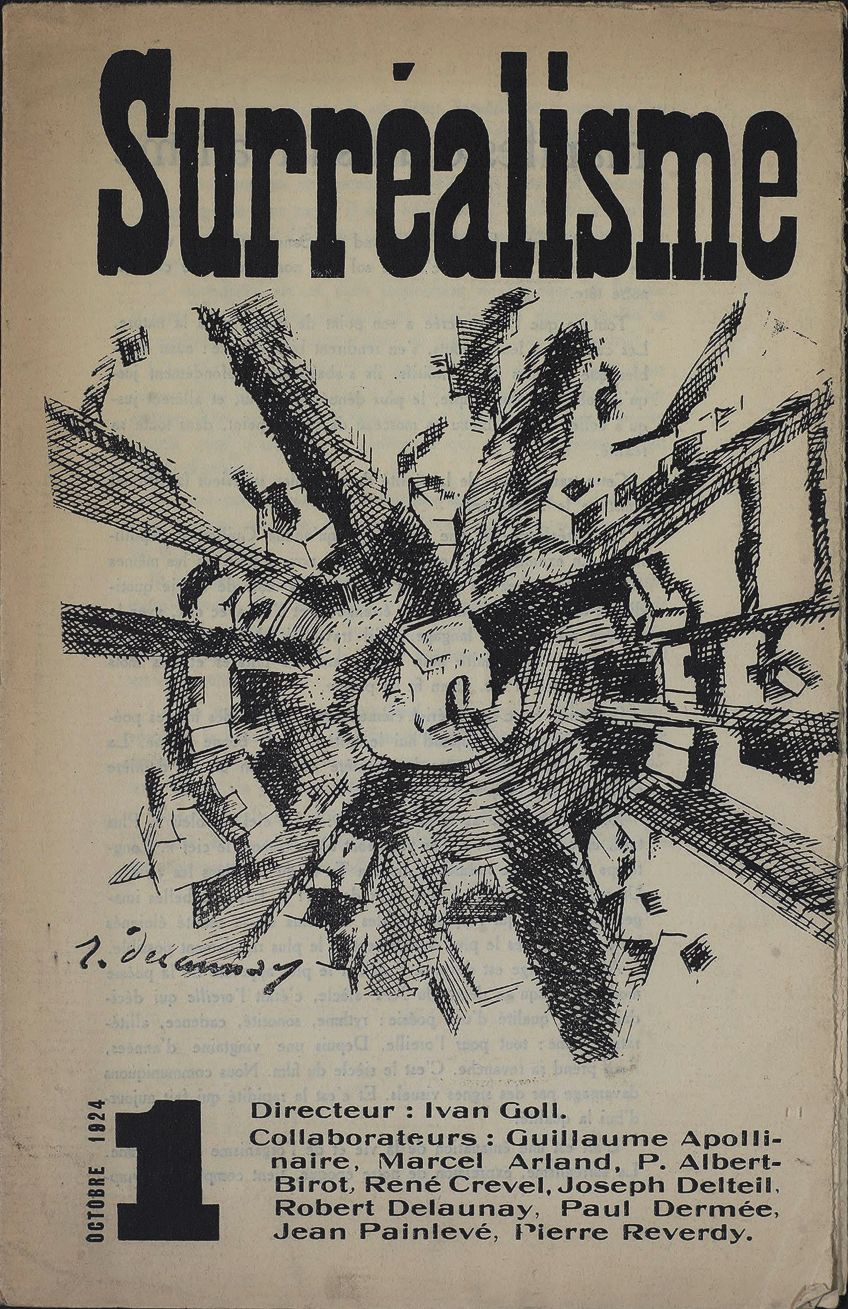
Guillaume Apollinaire had used the adjective surréaliste in 1917, notably in connection with the ballet Parade and his play Les Mamelles de Tirésias. The later movement adopted the term; it was not simply named after Apollinaire. In November 1925, the exhibition La Peinture surréaliste at Galerie Pierre in Paris brought together works by artists including Jean Arp, Giorgio de Chirico, Max Ernst, Paul Klee, André Masson, Joan Miró, Man Ray, Pablo Picasso, and Pierre Roy. Exhibition does not necessarily equal membership: Picasso, for example, remained closely connected but did not formally join Breton’s group.
The movement’s history was also marked by ideological disputes, shifting alliances, and expulsions. Breton’s leadership helped give Surrealism coherence, yet it should not obscure the work of other writers, women artists, anti-colonial thinkers, and groups that adapted Surrealism beyond France.
Surreal Influences
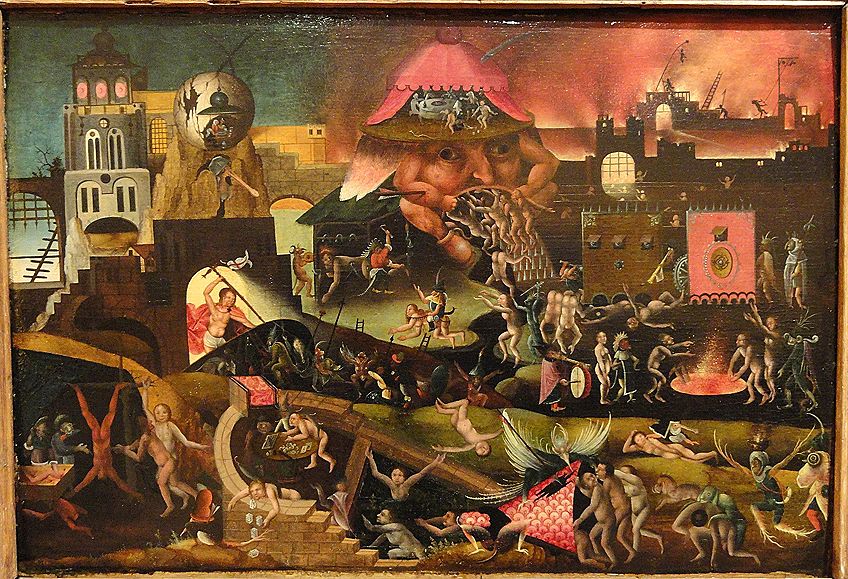
Surrealists looked to art that made the familiar unstable, including Symbolism, Giorgio de Chirico’s Metaphysical painting, and fantastic imagery by earlier artists such as Hieronymus Bosch, Francisco Goya, and Odilon Redon. These figures were precursors or later points of comparison, not members of a movement that did not yet exist.
Dadaism
Dada provided a direct institutional and methodological predecessor. Its artists and writers challenged artistic authority through chance, collaboration, collage, photomontage, performance, and found objects. Surrealism retained Dada’s opposition to bourgeois convention and wartime nationalism, but Breton’s group placed greater emphasis on automatism, dreams, desire, and transforming everyday life.
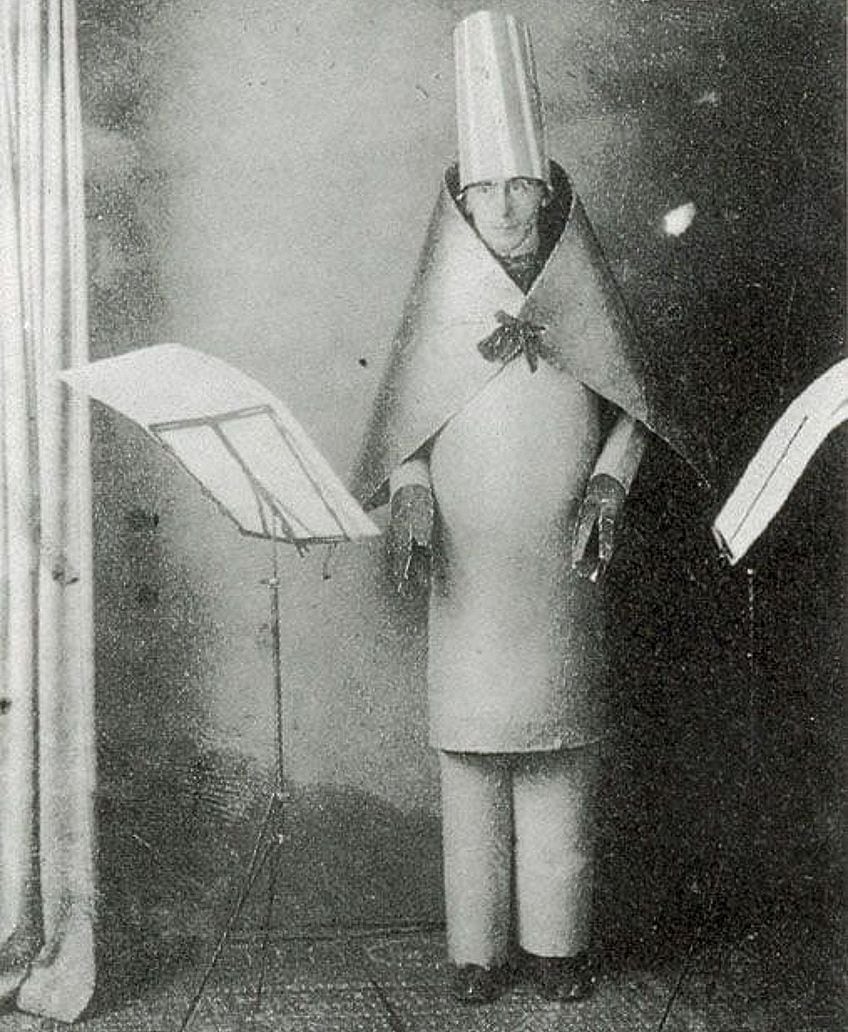
Dada and Surrealism overlap in artists, tactics, and anti-establishment energy, but they are not interchangeable: Surrealism developed a sustained program for investigating the unconscious and reconciling dream with waking experience.
The Bureau for Surrealist Research
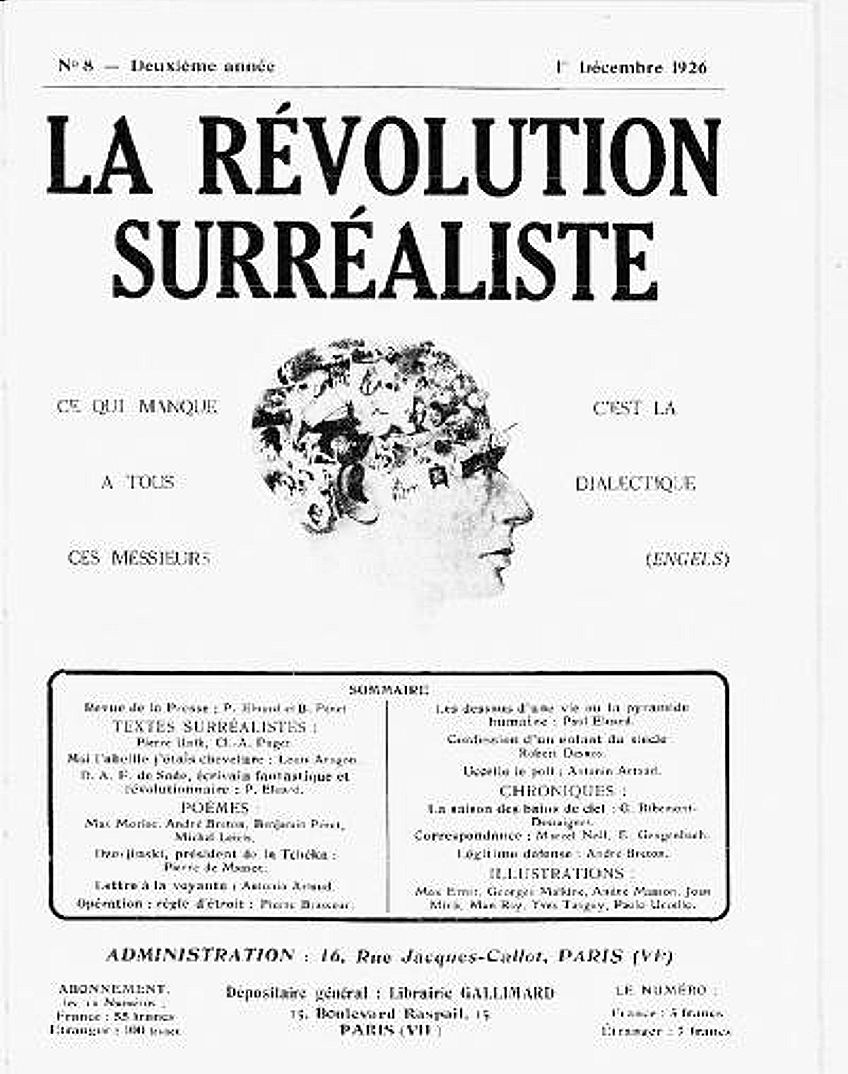
The Bureau of Surrealist Research opened in Paris in October 1924 as a place to collect accounts of dreams, coincidences, unusual experiences, and other material associated with unconscious life. The journal La Révolution surréaliste, first published that December, circulated texts and images by the group and connected experimentation with political and social debate.
Politics, Revolution, and Internal Conflict
Surrealism’s attack on rational convention was never only a studio exercise. Members debated communism, anti-fascism, colonialism, sexuality, and the possibility of transforming everyday life. Several artists and writers moved toward or through the French Communist Party, while disagreements over party discipline and political strategy repeatedly fractured Breton’s group. The movement’s expulsions and breakaways are therefore part of its history, not peripheral gossip.
The second Manifesto of Surrealism appeared in 1930 amid these disputes. Periodicals also changed with the movement: Le Surréalisme au service de la révolution followed La Révolution surréaliste, while the lavish magazine Minotaure later connected Surrealist art, photography, ethnography, literature, and psychoanalytic interests. These publications reveal a movement arguing with itself about how artistic freedom, revolutionary politics, and the unconscious could coexist.
Surrealist Literature, Sculpture, and Cinema
Surrealism moved between disciplines from the outset. Writing, photographs, objects, exhibitions, performance, and film were not secondary decorations around painting; each offered a different way to interrupt habit and combine realities that ordinary logic kept apart.
Literature
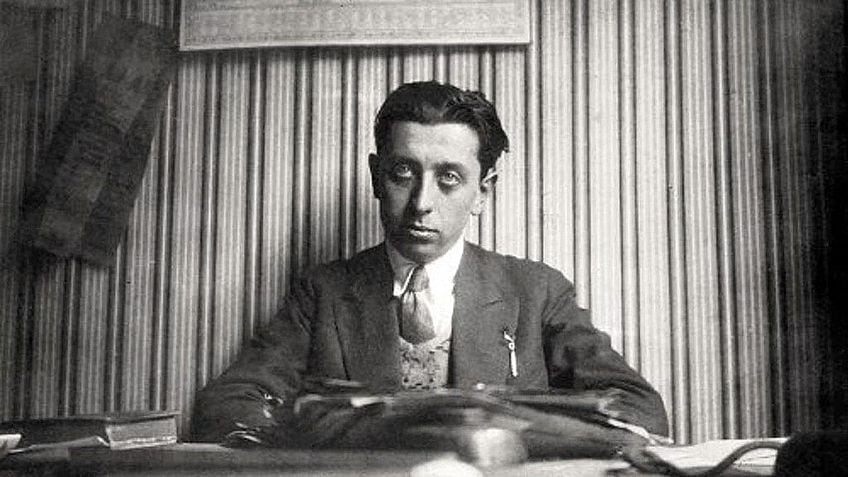
Automatic writing was central to early Surrealism because it treated language as a field of unplanned association. Breton, Soupault, Louis Aragon, Paul Éluard, Robert Desnos, René Crevel, and others experimented with poetry, prose, dream reports, collaborative games, and journals. These practices did not eliminate conscious revision altogether; they created material whose unexpected relationships could then be recognized and developed.
Surrealist writing also depended on magazines and collective publishing. La Révolution surréaliste, Le Surréalisme au service de la révolution, and Minotaure gave poems, manifestos, photographs, reproductions, polemics, and dream reports a shared public setting. The magazine page was therefore one of Surrealism’s working spaces: text and image could collide before the same logic reached a gallery wall.
Sculpture and the Surrealist Object
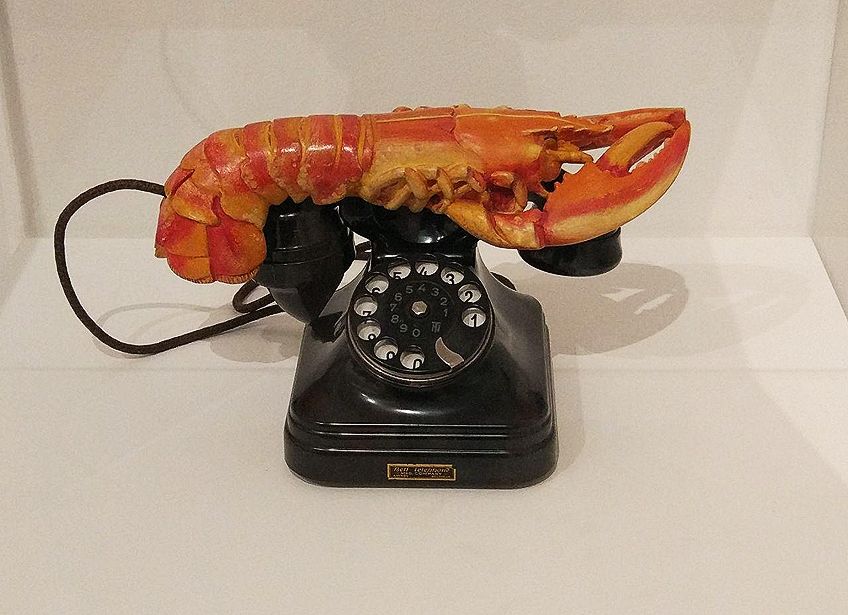
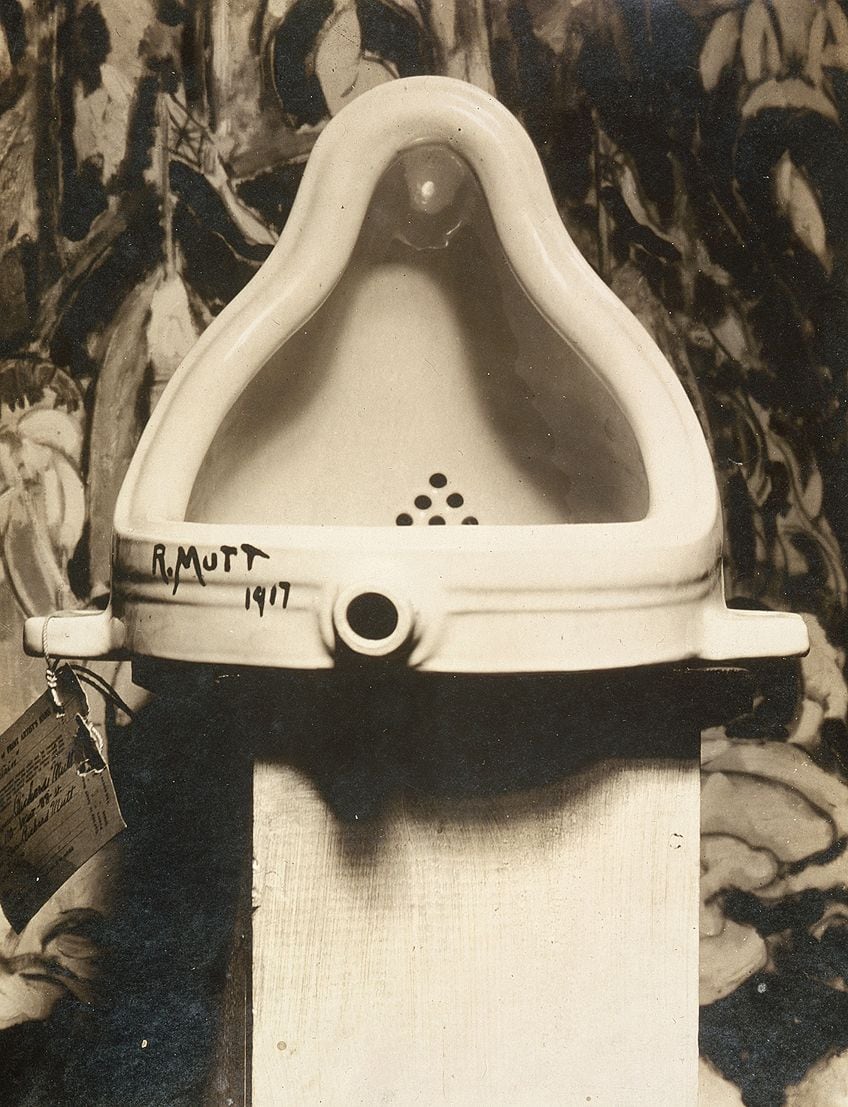
Surrealist objects brought incompatible materials and functions into physical space. Salvador Dalí and Edward James’s Lobster Telephone, Meret Oppenheim’s fur-covered cup, and Man Ray’s altered everyday things turn useable objects into psychologically charged encounters. Marcel Duchamp’s Fountain was a Dada readymade and an important precedent for this strategy, not a Surrealist sculpture in the strict historical sense.
Cinema
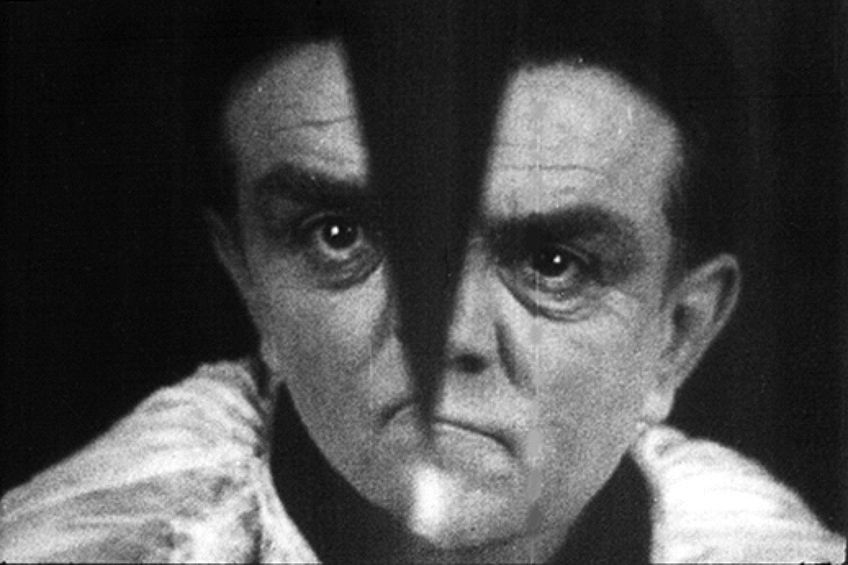
Surrealist cinema disrupts narrative continuity, stable identity, and ordinary cause and effect. Germaine Dulac’s The Seashell and the Clergyman (1928), made from a scenario by Antonin Artaud, is often described as the first Surrealist film, although that label and Artaud’s response to the finished work remain debated. Luis Buñuel and Salvador Dalí’s Un Chien Andalou (1929) became another foundational example through startling montage and images that resist a single symbolic decoding.
Surrealism Beyond Paris
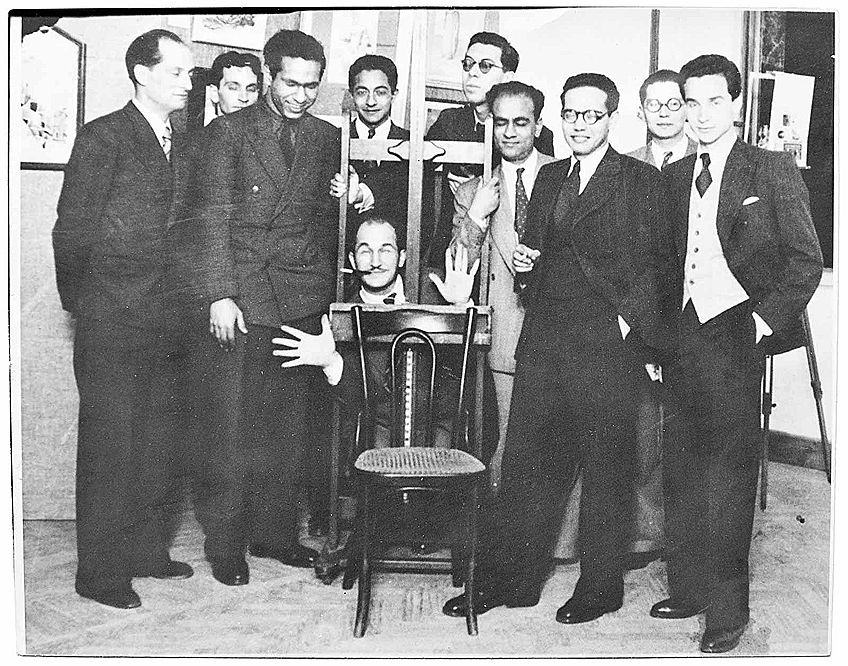
Surrealism spread through translation, travel, exhibitions, magazines, exile, and local political networks. Artists did not merely copy a French style: they redirected Surrealist methods toward anti-fascism, anti-colonial struggle, racial politics, gender, sexuality, and local histories. The Cairo-based Art et Liberté group, formed in 1938, used an internationally connected Surrealism while opposing fascism and conservative cultural nationalism. Surrealist activity also developed in Belgium, Britain, Czechoslovakia, Mexico, the Caribbean, Japan, the United States, and across Latin America.
Women including Leonora Carrington, Leonor Fini, Dora Maar, Lee Miller, Meret Oppenheim, Remedios Varo, Dorothea Tanning, Toyen, and Claude Cahun shaped Surrealism as artists, photographers, writers, and theorists. Carrington and Varo developed complex worlds of metamorphosis, ritual, science, and self-invention; Maar and Miller transformed photography rather than simply documenting male colleagues; Cahun used staged self-images to unsettle gender and identity. Treating women only as muses repeats the movement’s historical inequalities and obscures their independent contributions.
Notable Surrealist Artists
Surrealism included formal participants, close associates, and artists whose relationship changed over time. The distinction matters: visual similarity alone does not make an artist a group member.
Surrealist Artists and Methods at a Glance
| Artist | Typical Strategy | What the Example Adds |
|---|---|---|
| Salvador Dalí | Precise illusionism and the paranoiac-critical method | Shows that Surrealist irrationality can be rendered with almost photographic clarity. |
| René Magritte | Deadpan displacement, visual paradox, and conflicts between words and images | Turns ordinary objects into philosophical problems without relying on painterly spontaneity. |
| Max Ernst | Collage, frottage, grattage, and accidental textures | Uses mechanical or chance-based procedures to trigger images that were not fully planned in advance. |
| Joan Miró | Automatist beginnings transformed into controlled signs and open fields | Demonstrates the overlap between Surrealism and abstraction. |
| Meret Oppenheim | Unexpected materials applied to familiar objects | Makes touch, use, desire, and discomfort central to the Surrealist object. |
| Leonora Carrington and Remedios Varo | Transformative narrative, hybrid bodies, ritual, alchemy, and self-invention | Expand Surrealism beyond the familiar model of women as muses for male artists. |
| Man Ray | Photography, rayographs, objects, and experimental film | Shows how photographic processes could become tools for estrangement rather than neutral documentation. |
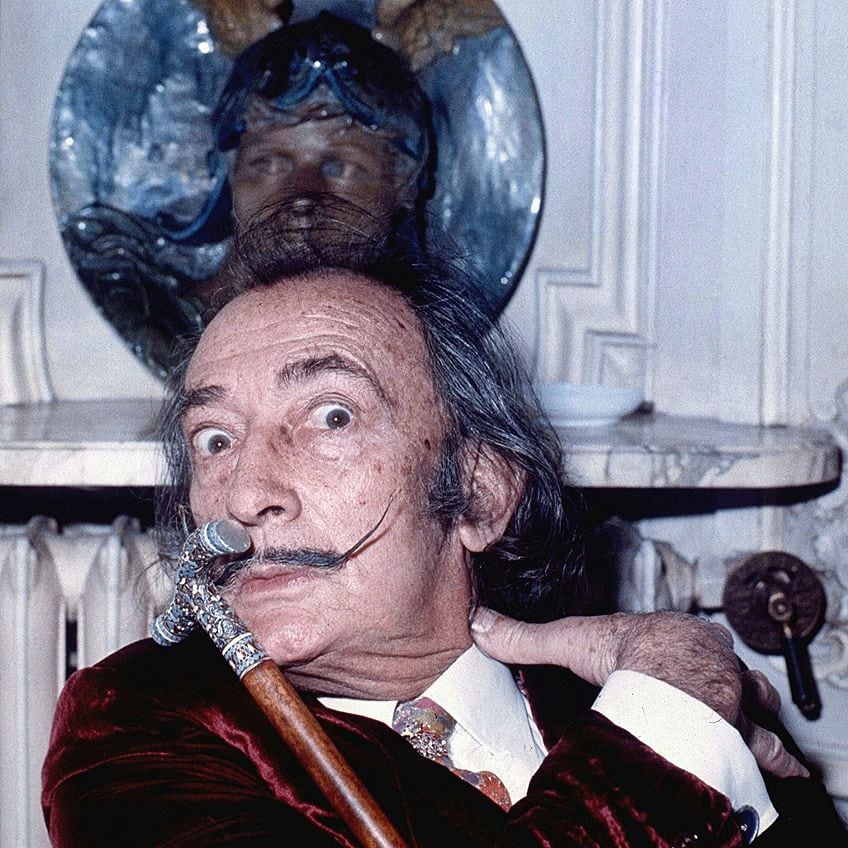
Salvador Dalí (1904–1989)
The Spanish artist Salvador Dalí joined the Paris Surrealist circle in 1929. His meticulous illusionism made irrational transformations appear physically convincing. He described his “paranoiac-critical method” as a deliberate interpretive process for generating multiple images and unstable associations; it should not be reduced to inducing a clinical condition. Political conflict and his cultivation of celebrity increasingly separated him from Breton’s circle by the end of the 1930s.
The Persistence of Memory (1931)
The Persistence of Memory is an oil-on-canvas painting measuring only 9 1/2 by 13 inches (24.1 by 33 centimeters), now in the Museum of Modern Art in New York. Its precisely rendered landscape, limp watches, ants, and ambiguous central form make ordinary measures of time feel unstable. Interpretations vary, so the melting watches are better treated as a visual problem than as a code with one definitive solution.
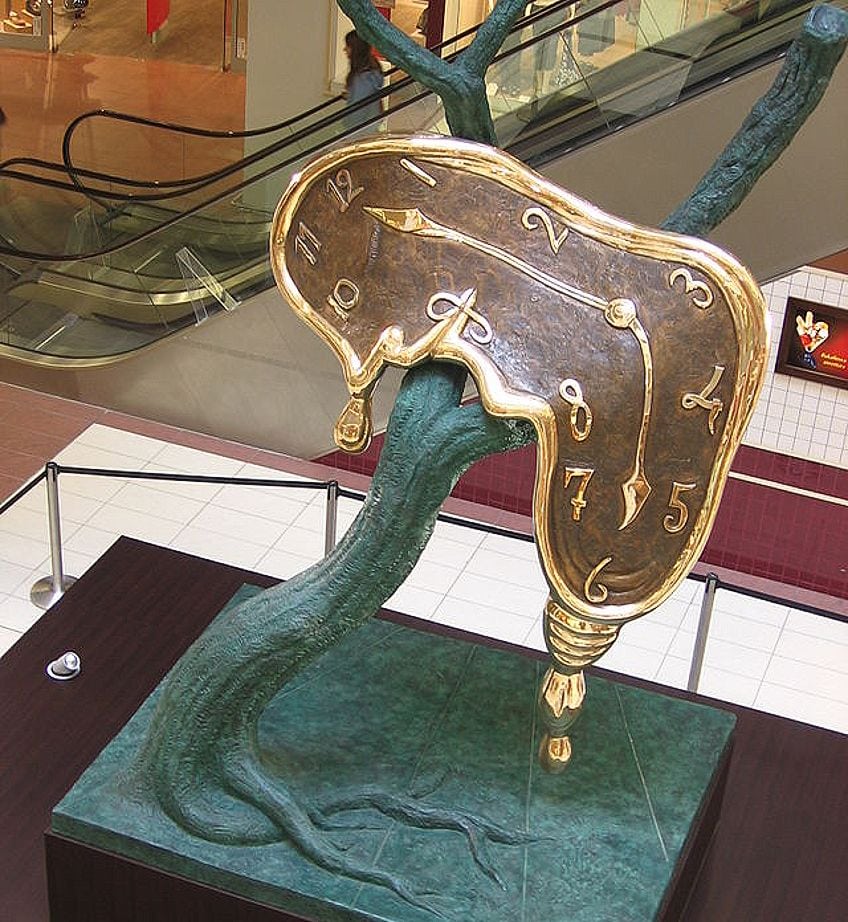
The image below depicts Dalí’s later sculpture Profile of Time, not The Persistence of Memory; it shows how the soft-watch motif was subsequently translated into three dimensions.
Pablo Picasso (1881–1973)
Pablo Picasso was a central figure in Cubism and maintained close contact with Surrealist writers and artists, but he never formally joined Breton’s group. His work of the mid-1920s and 1930s often shared Surrealism’s distorted bodies, psychological tension, and interest in metamorphosis. Calling every such painting Surrealist, however, would flatten the changing relationship between Cubism, classicism, and Surrealism in his practice.
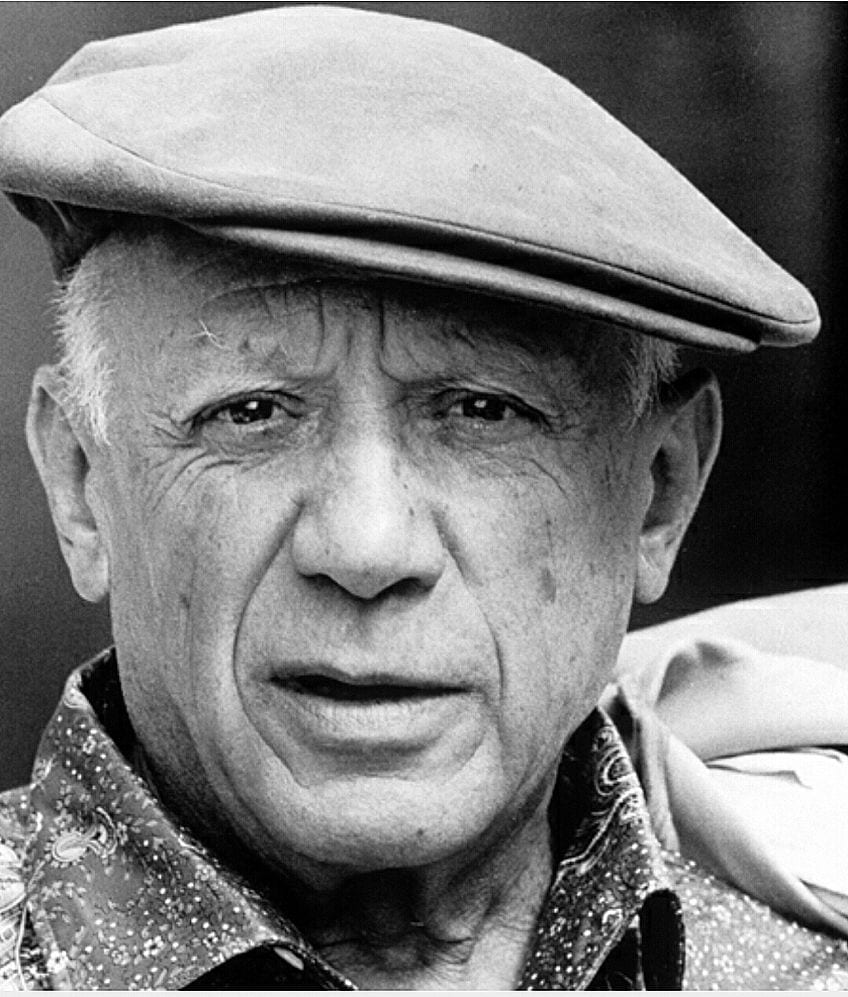
Picasso also worked in sculpture, ceramics, printmaking, theater design, and poetry. This range helped make him useful to Surrealists seeking to dissolve boundaries between media, even though his independent position remained distinct from formal membership.
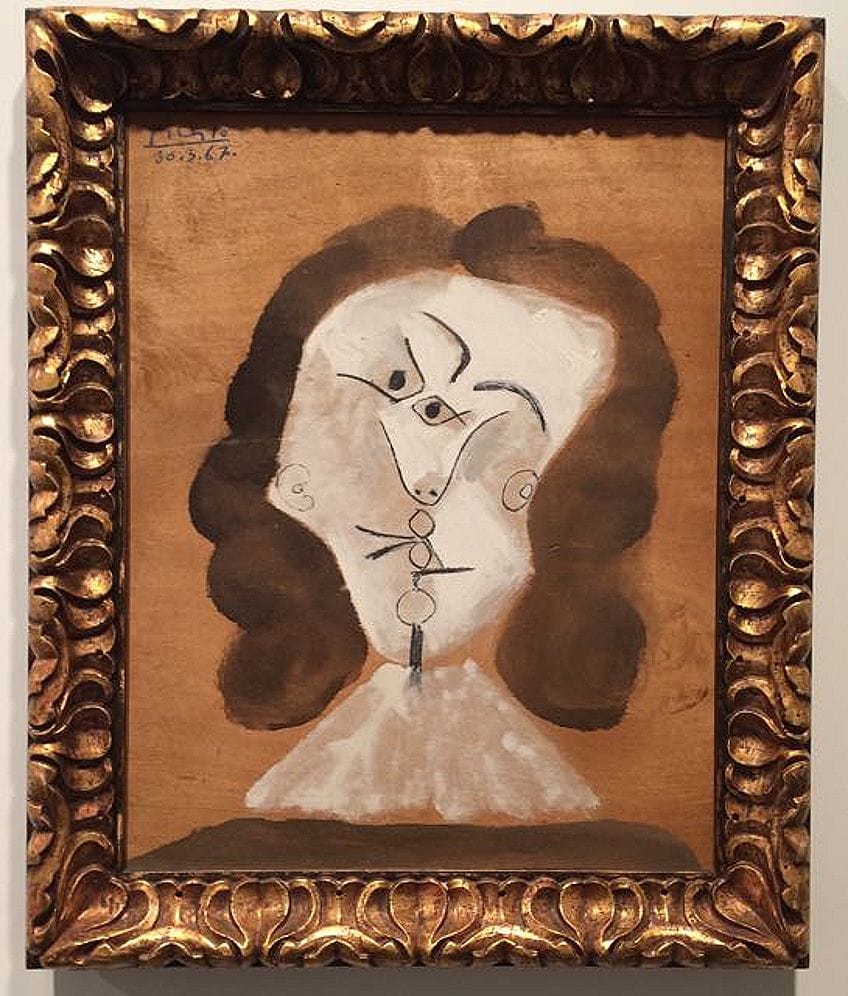
Picasso’s proximity to Surrealism is historically important, but “close associate” is more accurate than “official Surrealist.”
The Red Armchair (1931)
Picasso painted The Red Armchair on December 16, 1931. The portrait represents Marie-Thérèse Walter, who was about 28 years younger than Picasso, not older. A frontal eye and profile-like contours occupy the same head, producing a compressed, unstable identity. The Art Institute of Chicago also documents Picasso’s use of Ripolin industrial paint mixed with oil, which created contrasting matte and glossy surfaces. The work belongs to Picasso’s dialogue with Surrealism without proving formal membership.
Joan Miró (1893–1983)
Joan Miró developed a highly personal language of signs, floating forms, and sparse fields while working in close contact with the Paris Surrealists. Automatism helped him begin compositions, but he also revised and controlled them; the resulting paintings are not unmediated transcripts of dreams. His position spans Surrealism and abstraction rather than fitting neatly into only one category.
Miró later extended this language into prints, sculpture, ceramics, and monumental public projects. His work with the ceramicist Josep Llorens Artigas was a sustained collaboration, not simply a late detour from painting.
Dog Barking at the Moon (1926)
In Dog Barking at the Moon, a small dog confronts a personified moon while a ladder rises through an otherwise spare landscape. The Philadelphia Museum of Art identifies the painting as a key work from Miró’s experimental 1920s. Its reduced signs, broad empty field, and implied exchange between earth and sky show how Surrealist strangeness can emerge through economy rather than crowded dream imagery.
René Magritte, Max Ernst, and Meret Oppenheim
René Magritte (1898–1967) developed one of Surrealism’s most recognizable forms of visual reasoning. Instead of painting fluid dream worlds, he often rendered ordinary hats, pipes, windows, apples, rooms, and bodies with cool precision, then altered their scale, location, wording, or relationship. Works such as The Treachery of Images make representation itself unstable: a painted pipe is recognizable as a pipe while the sentence beneath it insists that the image is not the object.
Max Ernst (1891–1976) provides a different route into the movement. His Cologne Dada collages already transformed technical illustrations and printed fragments before he joined the Surrealist circle. In 1925 he developed frottage as a systematic method for provoking images from textured surfaces. For Ernst, a floorboard grain or rubbed leaf could become the beginning of a forest, creature, or landscape, allowing the physical world to generate suggestions that the conscious mind could elaborate.
Meret Oppenheim (1913–1985) is central to the history of the Surrealist object. Her fur-covered cup, saucer, and spoon, usually titled Object (1936), makes a familiar ritual of drinking physically contradictory: soft fur invites touch but makes the vessel unusable and unsettling. Oppenheim resisted being confined to a single iconic work, and her broader career is a useful warning against reducing women in Surrealism to muses, models, or embodiments of male desire.
Surrealist Styles and Techniques
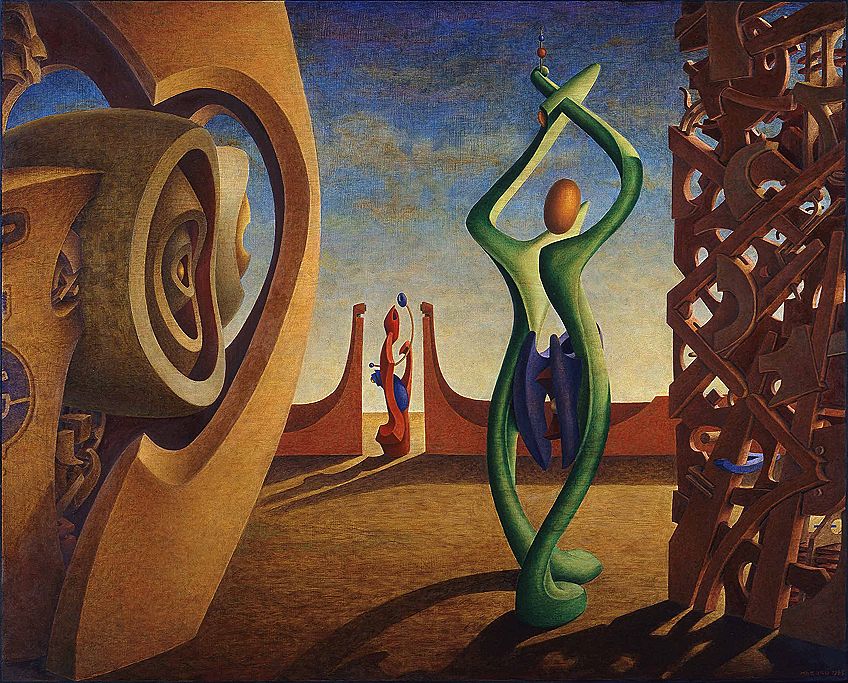
Surrealists used two broad, overlapping visual tendencies. Some produced carefully rendered dreamlike scenes, as Dalí, René Magritte, and Yves Tanguy often did. Others used automatism and chance to generate biomorphic or abstract forms, as in work by Masson, Miró, and Ernst. Neither tendency defines the movement by itself.
Automatism
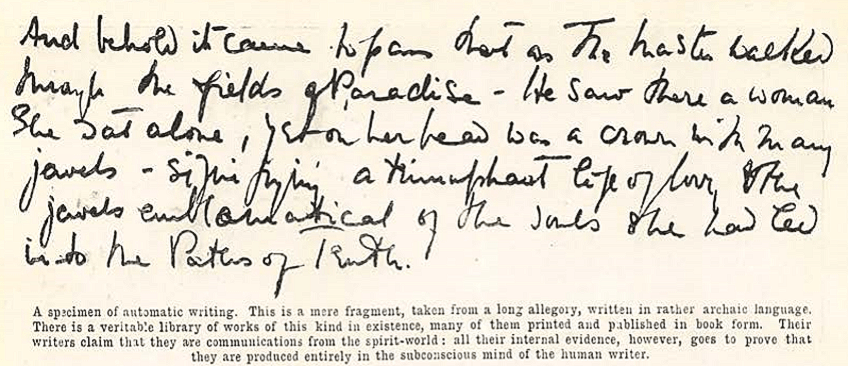
Automatism uses rapid or minimally preplanned actions to reduce conscious control. In writing, it can take the form of an uninterrupted flow of words; in drawing and painting, it can begin with spontaneous lines, stains, drips, or gestures. Surrealists could then preserve, elaborate, or reinterpret the unexpected forms that appeared.
Frottage and Grattage
Max Ernst began using frottage in 1925 by placing paper over textured surfaces and rubbing it with graphite or another drawing material. Grattage transferred the principle to painting: wet paint was scraped over or from textured supports so accidental patterns could prompt images. These techniques generate positive textures and ambiguous forms; they are not methods for revealing “negative space” in the usual compositional sense.
Collage, Decalcomania, and the Exquisite Corpse
Collage creates new relations by removing images from their original contexts. Decalcomania presses and separates painted surfaces to form branching, unpredictable textures. In the collaborative exquisite-corpse game, participants add words or images while concealing most of the previous contribution. Each method limits individual control and lets chance or collective action shape the result.
How to Recognize Surrealist Art—and Its Limits
| Evidence to Examine | What It Can Indicate | What It Does Not Prove |
|---|---|---|
| Automatic marks, chance textures, or collaborative procedures | A Surrealist method of loosening individual rational control | That the finished work received no conscious revision |
| Ordinary objects combined or transformed unexpectedly | Estrangement of familiar function and meaning | That every bizarre juxtaposition belongs to historical Surrealism |
| Precise but impossible space, scale, or anatomy | A dreamlike or hallucinatory visual strategy | A single fixed symbolic meaning |
| Documented participation in groups, exhibitions, journals, or games | A historical relationship to Surrealism | Permanent agreement with Breton or membership throughout an artist’s career |
| Later fantasy, advertising, fashion, or digital imagery | Surrealist influence or a surreal aesthetic | Membership in the original movement |
This evidence-based approach avoids two common errors: defining Surrealism as any strange image and assuming that a visual motif reveals an artist’s unconscious intention. Historical documentation and formal analysis work best together.
Surrealism Today
Surrealism continues less as one centrally governed organization than as a repertoire of strategies: unexpected juxtaposition, automatic process, altered objects, dream logic, black humor, and the destabilization of identity. Its influence appears in postwar abstraction, installation, photography, cinema, animation, advertising, fashion, and digital image-making. The everyday adjective “surreal” now describes an uncanny situation, but that broad usage should be distinguished from the historical movement and its political ambitions.
Surrealism’s continuing force lies not in one recognizable look, but in methods that make familiar reality unstable and expose the assumptions through which it is organized.
Frequently Asked Questions
What Is the Main Idea of Surrealism?
Surrealism sought to loosen rational control and bring unconscious, dream, and waking experience into a more expansive reality. Its artists and writers used automatism, chance, unexpected combinations, and poetic transformation rather than following one visual style.
How Can You Recognize Surrealist Art?
Look for impossible transformations, displaced objects, unstable space, automatic marks, chance textures, or a documented connection to Surrealist groups and practices. Dreamlike appearance alone is not enough to establish that a work belongs to historical Surrealism.
Was Surrealism Only a French Movement?
No. Surrealism took organized form in Paris, but artists and writers adapted it across Europe, Africa, the Caribbean, Asia, Latin America, Mexico, and the United States. Local groups often linked its methods to anti-fascist, anti-colonial, racial, gender, or sexual politics.
What Techniques Did Surrealist Artists Use?
Surrealist techniques included automatic writing and drawing, collage, frottage, grattage, decalcomania, found-object construction, and the collaborative exquisite corpse. These methods introduced chance, collective action, or unexpected association into the creative process.
What Is a Famous Example of Surrealist Art?
Salvador Dalí’s The Persistence of Memory (1931) is one of the best-known examples. Its precisely painted landscape and impossible soft watches show one major Surrealist strategy: rendering an irrational transformation with enough visual clarity to make the familiar world feel unstable. Other works may look completely different because Surrealism was a movement of methods and ideas rather than one fixed style.
How Is Surrealism Used Today?
Historical Surrealism is no longer one centrally governed movement, but its methods remain active in photography, film, animation, fashion, advertising, installation, performance, and digital image-making. Contemporary work can use Surrealist strategies such as impossible juxtaposition or dream logic without becoming part of the original movement, so “Surrealist influence” is usually more precise than calling every strange image Surrealism.

Isabella studied at the University of Cape Town in South Africa and graduated with a Bachelor of Arts majoring in English Literature & Language and Psychology. Throughout her undergraduate years, she took Art History as an additional subject and absolutely loved it. Building on from her art history knowledge that began in high school, art has always been a particular area of fascination for her. From learning about artworks previously unknown to her, or sharpening her existing understanding of specific works, the ability to continue learning within this interesting sphere excites her greatly.
Her focal points of interest in art history encompass profiling specific artists and art movements, as it is these areas where she is able to really dig deep into the rich narrative of the art world. Additionally, she particularly enjoys exploring the different artistic styles of the 20th century, as well as the important impact that female artists have had on the development of art history.
Learn more about Isabella Meyer and the Art in Context Team.
Cite this Article
Isabella, Meyer, “Surrealism Art – A Deep Dive Into the Surrealism Art Movement.” Art in Context. May 10, 2021. URL: https://artincontext.org/surrealism-art/
Meyer, I. (2021, 10 May). Surrealism Art – A Deep Dive Into the Surrealism Art Movement. Art in Context. https://artincontext.org/surrealism-art/
Meyer, Isabella. “Surrealism Art – A Deep Dive Into the Surrealism Art Movement.” Art in Context, May 10, 2021. https://artincontext.org/surrealism-art/.


Your dive into surrealism really opens the door to a dreamlike world—where logic bends and creativity comes alive. It’s the kind of piece that invites you to question reality while celebrating the imaginative freedom of art.