
EU’s Art-Market Money-Laundering Downgrade Is Not Final

European Commission meeting records report proposed level-2 “moderate” threat ratings for money laundering and terrorist financing in the art and antiques trade, while the overall 2026 risk classification remains unpublished. But the 2026 assessment is unfinished, and the Commission’s own 2022 scorecard shows why the change cannot be reduced to a simple high-to-moderate switch.
The EU Art-Market Downgrade Is Still a Proposal
The policy discussion happened on January 29, 2026, not this week. The European Commission’s official account of the meeting, published the next day, says 19 professionals met in Brussels and that the agenda included the supranational risk assessment, with a focus on works of art and antiques.
The news event came on November 2, when AML Intelligence reported that the meeting record describes a proposed “moderate” level. Jornal PT50 separately reported the same direction and quoted a Commission spokesperson saying the assessment was still being completed. The Commission has therefore not adopted a final 2026 classification in a published assessment.
That distinction is material for galleries, auction houses, dealers, free-port operators, collectors, and their advisers. A working presentation can signal the Commission’s direction; it does not replace the final report, disclose the full scoring method, or change the law.
The official 2022 record also complicates the headline. In the Commission’s 2022 staff working document, the estimated overall risk for both money laundering and terrorist financing in the art-and-antiquities scenario was high. Yet the document rated the underlying threat as moderately significant, at level 2, while vulnerability was significant to very significant, at level 3/4. Those components combined to produce the high result.
| Record | What it establishes |
|---|---|
| 2022 final assessment | Threat: level 2; vulnerability: level 3/4; overall risk: high |
| 2026 meeting record | Reported direction: moderate; final component scores not yet published |
The defensible conclusion is narrower than several headlines suggest. The forthcoming assessment may lower the overall classification from high to moderate, but a reported level-2 threat is not necessarily a reduction from 2022: the threat component was already level 2 then. Until the final matrix appears, it is unsupported to say that every part of the Commission’s analysis has fallen.
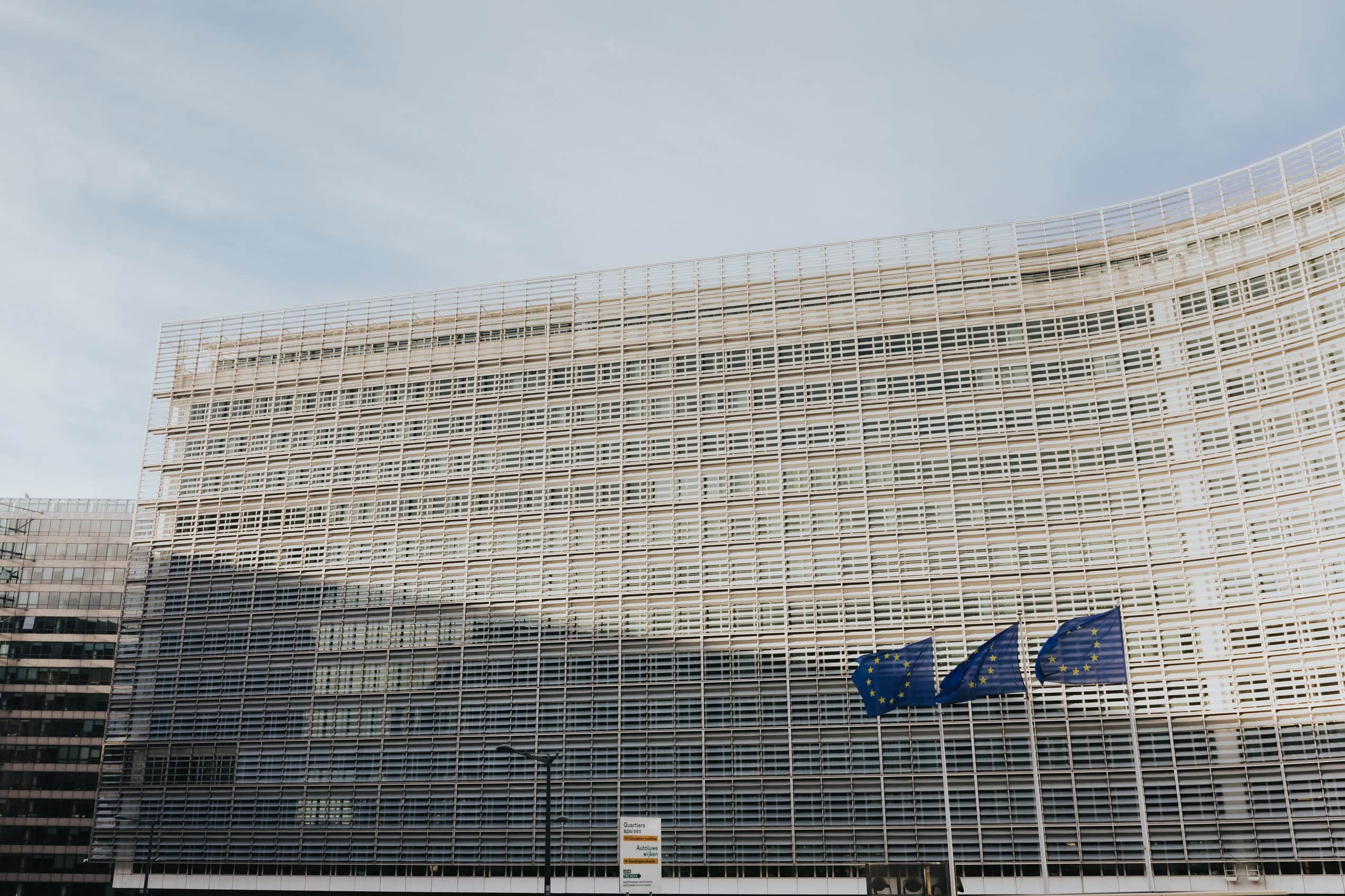
The Berlaymont building, headquarters of the European Commission in Brussels. Photograph by Euro Pictures via Wikimedia Commons, licensed under Creative Commons Attribution 2.0 Generic; cropped.
A Risk Rating Does Not Rewrite Art-Market Law
The proposed classification does not remove existing customer checks or suspicious-transaction duties. Under the EU framework currently implemented through member-state law, people trading or acting as intermediaries in works of art—including galleries and auction houses—are covered when a transaction, or linked transactions, reaches €10,000. Art storage and trade in free ports are also covered at that threshold. The consolidated Anti-Money Laundering Directive states those categories directly.
A second €10,000 figure belongs to the next rulebook and should not be confused with the present transaction threshold. Regulation (EU) 2024/1624 is already in force, but most of it will apply from July 10, 2027. It retains the €10,000 threshold for art-market operators while broadening the wording from “works of art” to “cultural goods.” It also creates an EU-wide maximum of €10,000 for cash payments for goods and services, while allowing member states to impose lower caps.
The 2024 regulation and the 2026 risk assessment perform different jobs. The regulation sets binding obligations. The assessment maps where the Commission sees threat and vulnerability, then informs guidance, enforcement priorities, and future policy. A lower assessment cannot silently repeal a regulation or a national law.
For art businesses, “moderate” is therefore not a safe harbor. The transaction value, client identity, beneficial owner, payment path, source of funds, intermediaries, and the object’s provenance can still make an individual sale risky even if the sector-wide category changes.
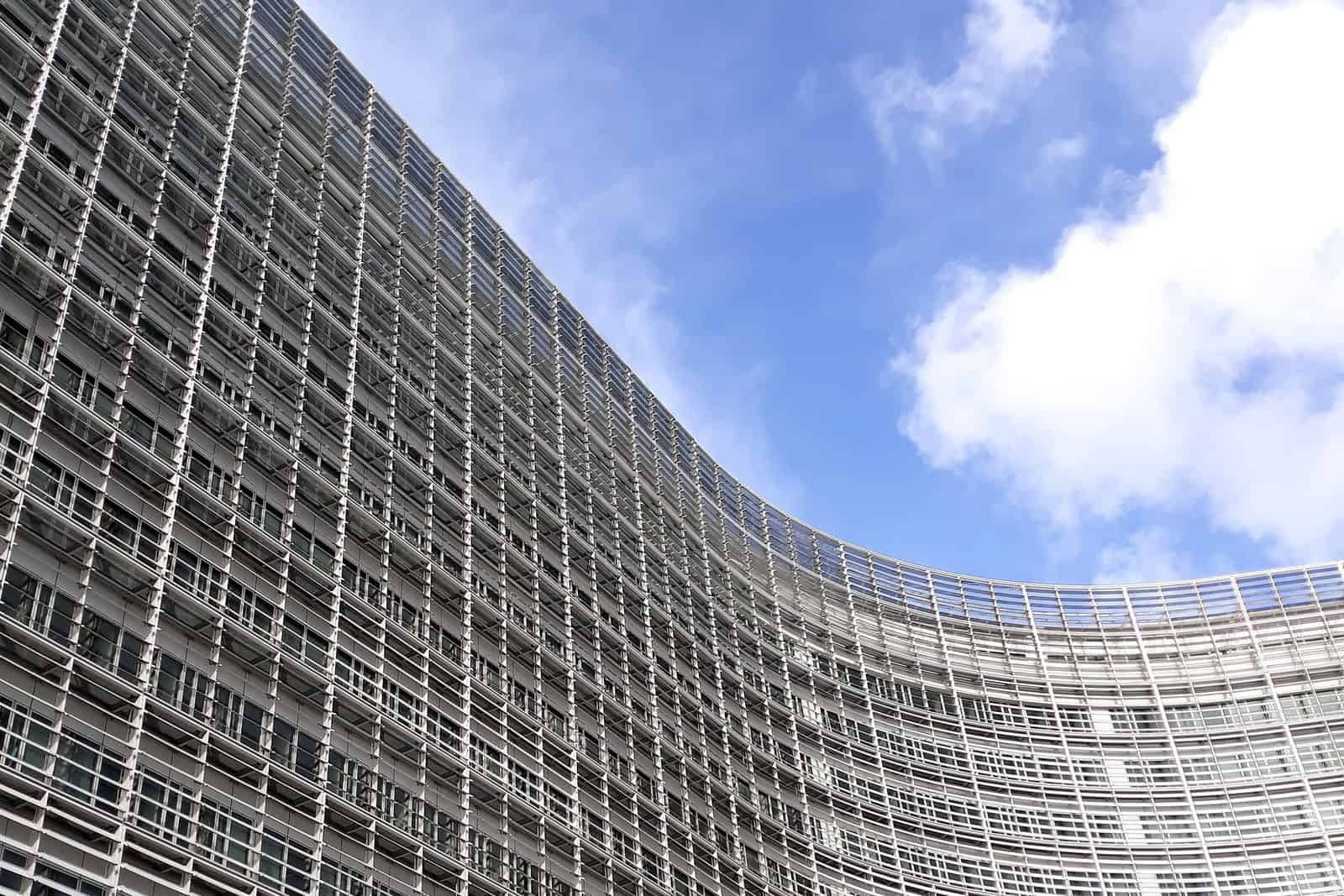
The Berlaymont building in Brussels, headquarters of the European Commission. Photograph: acediscovery, CC BY 4.0, via Wikimedia Commons.
Why the Secondary Art Market Remains Exposed
According to the November 2 reports, the Commission’s working analysis cites limited evidence in the EU for connecting art crime with money laundering or terrorist financing. That is evidence about documented use, not proof that the market’s structural weaknesses have disappeared.
The same meeting record, as described by Jornal PT50, identifies the secondary market—the resale of art and antiques—as particularly exposed to criminal exploitation, including transactions involving foreign criminal proceeds. It also points to privacy and discretion in transactions and fragmented jurisdictions as vulnerabilities that can facilitate illicit flows.
This distinction between threat and vulnerability is the central one. Threat asks how strongly criminals are shown to be using a route and with what capability. Vulnerability asks how readily the route could be exploited and how effective its controls are. A market can have a moderate documented threat and still present serious vulnerabilities because private principals, intermediaries, cross-border movement, subjective pricing, and incomplete ownership histories make scrutiny difficult.
The 2022 assessment followed that pattern: limited evidence helped hold the threat score at level 2, while weak visibility, low reporting, cash exposure, and insufficient controls pushed vulnerability much higher.
Sector Ratings Can Mask Different Transaction Risks
Those details matter because “the art market” is not one channel. A transparent primary-market sale by a gallery, a private resale through several agents, an antiquity with gaps in its provenance, and storage or transfer through a free port present different risks. The reported concern about the secondary market suggests that the final document may preserve sharper warnings for particular transactions even if the headline sector rating falls.
The Commission’s reported recommendations—continued dialogue, training, awareness work, guidance, and codes of ethics—also point toward continued oversight rather than withdrawal. They fit a moderate category that still calls for mitigation, not a finding that controls are unnecessary.
Until the final report is published, compliance programs should be measured against the law and the facts of each transaction, not against an unfinished sector label. The immediate development is a disclosed policy direction, not deregulation.
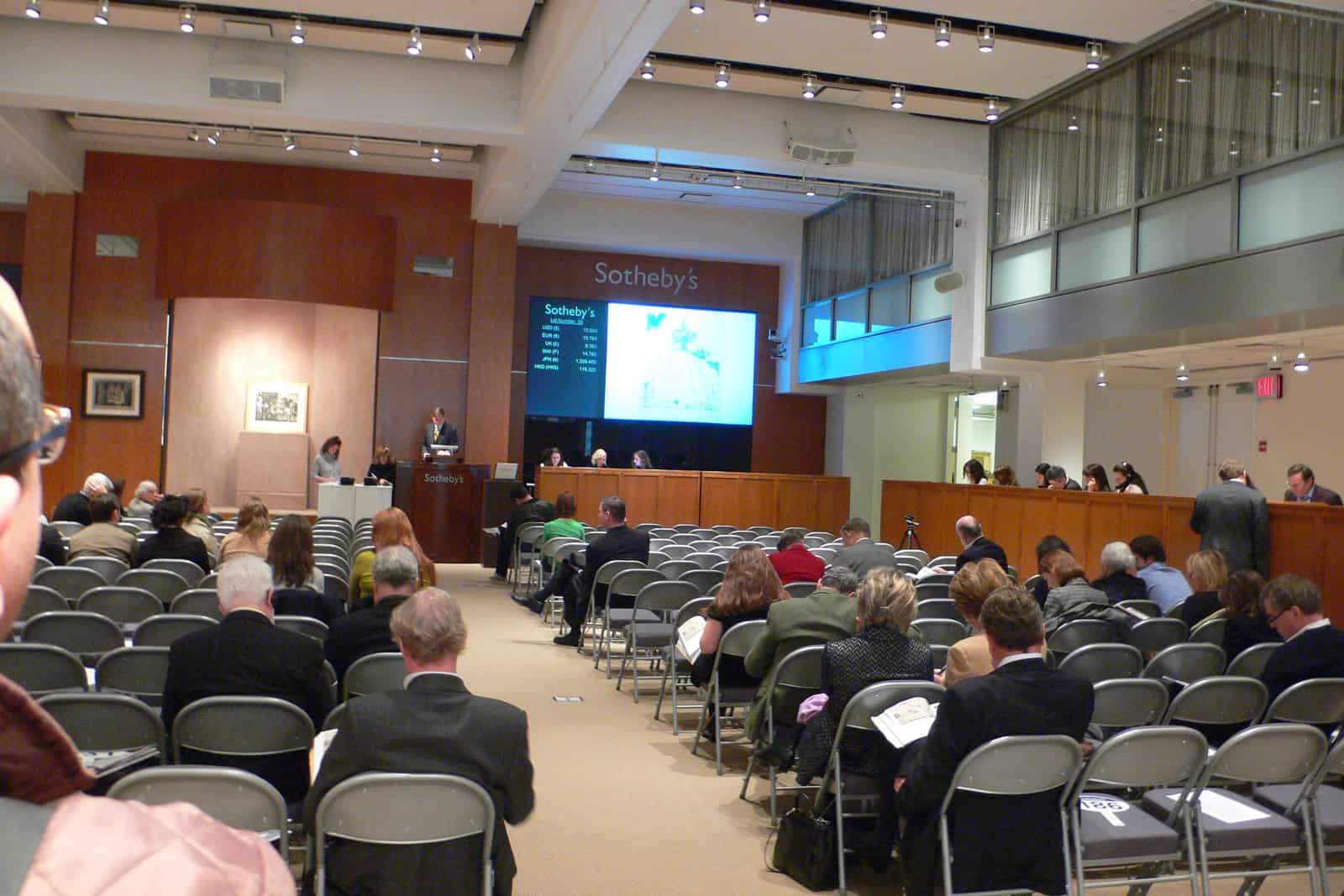
Bidders participating in person, online, and by telephone in a Sotheby’s auction hall. Photograph: Nelson Pavlosky, CC BY-SA 2.0, via Wikimedia Commons.
Moderate Does Not Mean Deregulated
The 2022 primary document establishes that the previous high overall result combined a moderate level-2 threat with much higher vulnerability; a claim that every component is now being downgraded is unsupported. Existing art-market obligations remain in place, and the broader cultural-goods wording and EU cash ceiling in Regulation 2024/1624 are due to apply from July 10, 2027.

Isabella studied at the University of Cape Town in South Africa and graduated with a Bachelor of Arts majoring in English Literature & Language and Psychology. Throughout her undergraduate years, she took Art History as an additional subject and absolutely loved it. Building on from her art history knowledge that began in high school, art has always been a particular area of fascination for her. From learning about artworks previously unknown to her, or sharpening her existing understanding of specific works, the ability to continue learning within this interesting sphere excites her greatly.
Her focal points of interest in art history encompass profiling specific artists and art movements, as it is these areas where she is able to really dig deep into the rich narrative of the art world. Additionally, she particularly enjoys exploring the different artistic styles of the 20th century, as well as the important impact that female artists have had on the development of art history.
Learn more about Isabella Meyer and the Art in Context Team.
Choose Art in Context as a preferred source to see more of our reporting in Google Top Stories and other Google Search experiences.
Cite this Article
Isabella, Meyer, “EU’s Art-Market Money-Laundering Downgrade Is Not Final.” Art in Context. November 3, 2026. URL: https://artincontext.org/eu-art-market-money-laundering-risk-downgrade/
Meyer, I. (2026, 3 November). EU’s Art-Market Money-Laundering Downgrade Is Not Final. Art in Context. https://artincontext.org/eu-art-market-money-laundering-risk-downgrade/
Meyer, Isabella. “EU’s Art-Market Money-Laundering Downgrade Is Not Final.” Art in Context, November 3, 2026. https://artincontext.org/eu-art-market-money-laundering-risk-downgrade/.


