


What Is Patina in Art? The Hidden Beauty That Time Creates in Art

Patina is one of the most recognizable indicators of age and authenticity in art. From the green surfaces of ancient bronze sculptures to the subtle yellowing of aged varnish on oil paintings, patina reflects the long interaction between materials and their environment. Understanding patina helps explain how artworks change over time and why these changes often contribute to their historical and aesthetic significance.
Key Takeaways
- Patina refers to visible surface changes that develop on artworks over time through chemical reactions, environmental exposure, or deliberate artistic treatment.
- It commonly appears on materials such as bronze, copper, wood, stone, and painted surfaces.
- Natural patina develops gradually through aging, while artificial patina can be intentionally created by artists and metalworkers.
- Patina often contributes to the perceived authenticity, historical value, and visual richness of artworks.
- Conservators must balance preserving historically meaningful patina with preventing material deterioration.
The Meaning of Patina in Art
Definition of Patina
In art, patina refers to the surface changes that occur on materials as they age. These changes may include shifts in color, oxidation layers, darkening, surface texture, or subtle variations in gloss. The term originally described the greenish corrosion that forms on copper and bronze, but it is now used more broadly to describe aging effects across a wide range of artistic materials.

Patina develops when materials react with air, moisture, light, and environmental pollutants. Over years or centuries, these interactions gradually alter the outermost layers of an artwork, producing surfaces that record both time and environmental exposure.
Natural vs. Artificial Patina
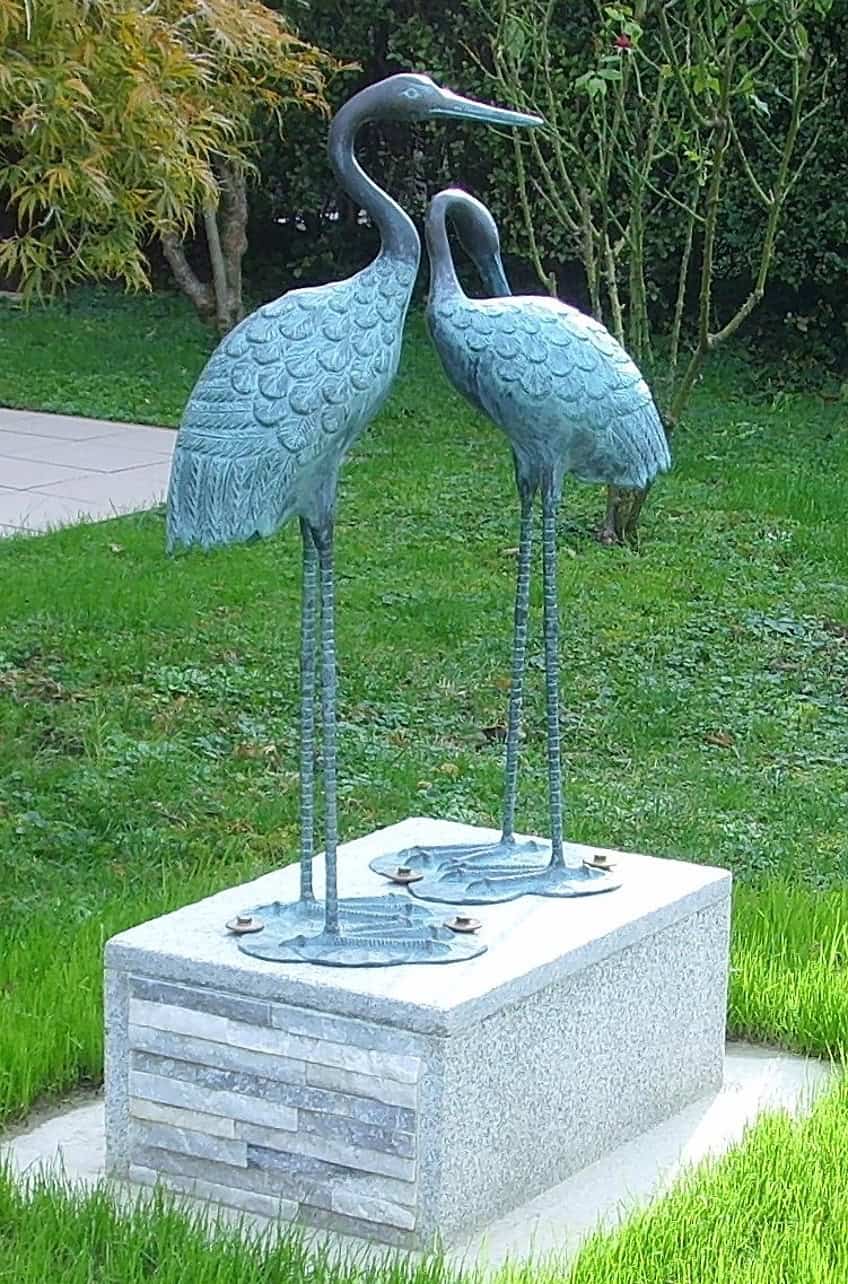
Natural patina forms slowly through long-term environmental exposure. Bronze sculptures exposed to rain and oxygen develop layers of copper carbonate and other compounds, which often appear as green or bluish surfaces. Oil paintings also undergo gradual visual changes as varnish layers age and pigments interact with light.
Artificial patina is created intentionally to achieve specific aesthetic effects.
Sculptors and metalworkers apply chemical solutions, heat treatments, or controlled oxidation to produce desired colors and textures. In contemporary bronze sculpture, artificial patination is a standard finishing technique that allows artists to determine the final appearance of the work.
Why Patina Matters in Art History
Patina provides important evidence about the age, condition, and history of artworks. Conservators and art historians study surface layers to better understand how materials have changed over time and whether objects have undergone restoration or modification.
In addition to its historical significance, patina often enhances visual depth and complexity. Subtle tonal variations created by aging can enrich the appearance of sculpture, architecture, and painting.

Historical Development of Patina
Patina in Ancient Civilizations
Ancient civilizations encountered patina naturally as metal objects aged. Bronze sculptures from Greece, Rome, China, and Egypt frequently developed green, brown, or black surfaces through oxidation. Although many ancient bronzes were originally polished to a bright metallic finish, centuries of exposure transformed their surfaces.
Archaeological discoveries often reveal objects whose patina formed during burial or long-term submersion. These layers can provide valuable information about environmental conditions and the chemical composition of the original materials.
Patina in Medieval and Renaissance Art
During the medieval and Renaissance periods, artists continued to produce works in materials that naturally developed patina. Bronze doors, liturgical objects, and architectural elements gradually darkened through oxidation and atmospheric exposure.
Paintings also changed visually over time. Protective varnishes applied to oil paintings slowly yellowed as they aged, subtly altering tonal balance. While some of these changes enhanced depth and warmth, excessive varnish discoloration sometimes obscured original colors, prompting later restoration efforts.

The Role of Patina in Modern and Contemporary Art
In modern art, patina increasingly became an intentional artistic element rather than simply the result of aging. Sculptors experimented with chemical treatments that allowed them to control the coloration and texture of metal surfaces.
New industrial materials also encouraged the aesthetic use of patina. Weathering steel, introduced in the twentieth century, was designed to develop a stable rust-like surface that protects the underlying metal while producing a distinctive visual character.
Biography and Early Life
Early Artists Who Worked with Patinated Materials
Artists working with bronze sculpture throughout history inevitably encountered patina as their works aged. Classical Greek sculptors cast bronze figures that later developed oxidation layers, although many ancient examples survive only in Roman marble copies. Renaissance sculptors such as Donatello and later artists explored the expressive qualities of bronze surfaces and finishing techniques.

Cultural Context and Artistic Training
Traditional workshops trained sculptors and metalworkers in methods of surface finishing. Apprentices learned how polishing, waxing, and chemical treatments could alter the appearance of metal surfaces. These technical processes were closely connected to bronze casting traditions in European foundries.
Such training emphasized both craftsmanship and material knowledge, enabling artists to anticipate how surfaces might change over time.
Early Experiments with Surface Aging
Artists gradually experimented with ways to control or accelerate natural aging effects. By applying acids, salts, or heat to metal surfaces, they produced colors ranging from deep brown to black and green. These early experiments laid the foundation for modern patination techniques widely used in sculpture today.

Artistic Philosophy
The Aesthetic Value of Aging and Imperfection
Patina reflects the broader aesthetic idea that time can enhance visual character. Surface irregularities, color variations, and subtle textures created through aging often contribute to the visual complexity of artworks. Rather than diminishing their value, these changes can deepen their expressive qualities.
Patina and the Concept of Authenticity
Collectors and scholars frequently regard patina as a marker of authenticity. A naturally aged surface may indicate that an object has remained relatively unaltered for long periods. Conversely, overly polished or newly altered surfaces may suggest restoration or later intervention.
In many cases, the patina of an artwork becomes inseparable from its historical identity.
Philosophical Ideas Behind Time and Material Transformation
From a philosophical perspective, patina reflects the ongoing interaction between time, environment, and material. Artworks are not entirely static objects; their surfaces evolve gradually through natural processes. Patina therefore represents a visible record of time acting upon matter.
Materials That Develop Patina
Bronze and Metal Sculptures
Bronze is the material most commonly associated with patina. Copper within the alloy reacts with oxygen, moisture, and carbon dioxide to produce surface compounds that protect the underlying metal. These layers range in color from dark brown to green depending on environmental conditions.
Oil Paintings and Varnish Aging
Oil paintings also develop a form of patina through the aging of varnish and binding media. Over time, varnish layers can yellow or lose transparency. Although conservators sometimes remove discolored varnish during restoration, many historic paintings retain subtle tonal shifts associated with age.

Wood, Stone, and Architectural Surfaces
Wood, stone, and architectural materials acquire patina through weathering, light exposure, and surface wear. Architectural monuments often display complex layers of environmental aging that record decades or centuries of exposure to climate and urban environments.
Important Artworks Featuring Patina
Famous Bronze Sculptures with Natural Patina
Numerous ancient bronzes exhibit natural patina that developed over centuries. Sculptures recovered from shipwrecks or archaeological sites often display distinctive green surfaces produced through prolonged oxidation and mineral interaction.
Paintings Known for Their Aged Surface Character
Historic paintings frequently show the effects of aging through softened tonal contrasts and subtle varnish discoloration. These visual changes influence how viewers perceive color, depth, and atmosphere in older works.
Architectural Masterpieces Defined by Patina
Buildings constructed with copper, bronze, or weathering steel often become visually defined by their patinated surfaces. Over time these materials develop protective layers that both stabilize the structure and shape its evolving appearance.
Conservation and Restoration
The Debate: Preserve or Restore Patina
A central debate in art conservation concerns whether patina should be preserved or removed. Certain surface layers represent historically meaningful aging, while others may indicate damaging corrosion or chemical instability.

Museum Conservation Practices
Museum conservators analyze surface layers carefully before undertaking treatment. Techniques such as microscopy, spectroscopy, and chemical analysis help determine whether a patina contributes to the artwork’s historical significance or threatens its structural stability.
Ethical Questions in Art Restoration
Restoration involves complex ethical considerations. Removing excessive surface layers may erase historical evidence, while leaving unstable corrosion in place may endanger the artwork. Conservation practice therefore seeks a balance between preservation and stabilization.
Influence on Contemporary Art
Artists Who Intentionally Create Patina
Many contemporary sculptors intentionally incorporate patination into their artistic process. Controlled chemical treatments allow artists to produce a wide spectrum of colors and textures on metal surfaces.
Patina in Contemporary Sculpture and Installation
Public sculpture frequently relies on patinated metal surfaces. Materials such as bronze and weathering steel are favored because they form protective outer layers while producing visually distinctive textures and tones.

Patina as an Aesthetic Strategy in Modern Design
Patina has also influenced architecture and product design. Designers often select materials that will age visibly over time, allowing surfaces to develop character and visual depth as they interact with their surroundings.
Legacy of Patina in Art
Patina as a Marker of Historical Authenticity
Patina remains an important indicator of historical continuity. Surface analysis helps historians and conservators evaluate the age, authenticity, and preservation history of artworks.

Its Impact on Art Collecting and Valuation
In the art market, well-preserved natural patina can enhance the desirability of objects. Collectors often value surfaces that show evidence of age while remaining structurally stable.
Patina in Cultural Heritage and Preservation
Cultural heritage institutions increasingly recognize patina as an integral aspect of historical artifacts. Modern conservation approaches often prioritize preserving aged surfaces rather than restoring objects to an imagined original state.
Frequently Asked Questions
What exactly is patina in art?
Patina refers to the visible surface changes that develop on artworks over time through chemical reactions, environmental exposure, and aging processes.
How does patina form on artworks?
Patina forms when materials interact with oxygen, moisture, light, and pollutants, producing oxidation layers, color shifts, and other surface transformations.
Is patina always desirable in art?
Not always. Some forms of patina enhance historical authenticity and aesthetic value, while others may indicate harmful deterioration that requires conservation.
Can artists create artificial patina?
Yes. Artists frequently use chemical solutions, heat treatments, or controlled oxidation to produce artificial patina on metals such as bronze.
How do museums preserve patina on artworks?
Museums stabilize materials, regulate environmental conditions, and monitor surface changes to preserve historically significant patina while preventing further deterioration.
Does patina increase the value of an artwork?
In many cases, it does. A well-preserved natural patina can signal age and authenticity, factors that often increase an artwork’s desirability among collectors.

Isabella studied at the University of Cape Town in South Africa and graduated with a Bachelor of Arts majoring in English Literature & Language and Psychology. Throughout her undergraduate years, she took Art History as an additional subject and absolutely loved it. Building on from her art history knowledge that began in high school, art has always been a particular area of fascination for her. From learning about artworks previously unknown to her, or sharpening her existing understanding of specific works, the ability to continue learning within this interesting sphere excites her greatly.
Her focal points of interest in art history encompass profiling specific artists and art movements, as it is these areas where she is able to really dig deep into the rich narrative of the art world. Additionally, she particularly enjoys exploring the different artistic styles of the 20th century, as well as the important impact that female artists have had on the development of art history.
Learn more about Isabella Meyer and the Art in Context Team.
Cite this Article
Isabella, Meyer, “What Is Patina in Art? The Hidden Beauty That Time Creates in Art.” Art in Context. June 18, 2026. URL: https://artincontext.org/what-is-patina-in-art/
Meyer, I. (2026, 18 June). What Is Patina in Art? The Hidden Beauty That Time Creates in Art. Art in Context. https://artincontext.org/what-is-patina-in-art/
Meyer, Isabella. “What Is Patina in Art? The Hidden Beauty That Time Creates in Art.” Art in Context, June 18, 2026. https://artincontext.org/what-is-patina-in-art/.


.jpg)

